



Potash is an essential crop nutrient. The refined version of potash contains a concentrated amount of soluble potassium chloride (KCl), readily absorbed by plants. Potassium, nitrogen and phosphorus are the most essential crop nutrients and are in high demand for agricultural operations worldwide.
Potash is found underground in ancient seabeds that evaporated millions of years ago. Among the purest deposits in the world, it is found 1000 m (3280 ft) to 3000 m (9840 ft) below ground in Saskatchewan. The province is the largest producer of potash in the world and has extensive reserves.
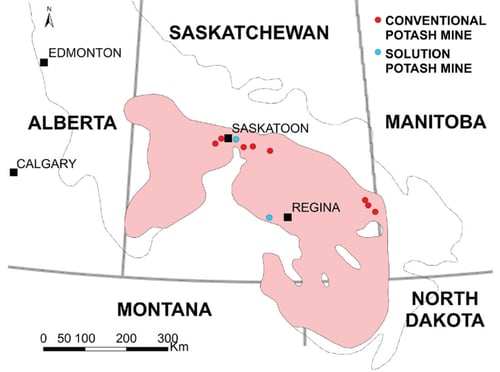 Figure 1: Map of western Canada showing the potash-rich zones in the Prairie Evaporite Formation
Source: Canadian Society of Exploration Geophysicists, CSEG Recorder
Recently, a large Saskatchewan potash mine needed a waterproofing membrane during maintenance on a service shaft that is used to transport personnel and equipment from ground level to various depths of the mining operation.
The site alone posed a number of challenges. It was 1300 m (4260 ft) below grade and shaft wash water was expected to be entering the area long term, causing erosion problems. Additionally, salts were likely to be present, raising corrosion and compatibility concerns for any activity in the area. Faced with these conditions, the mine engineers turned to Green Earth Environmental (GE) and Seaman Corporation’s XR-5® Geomembrane for a solution.
Site conditions can be generally summarized as an approximate 10 m (33 ft) diameter earthen shaft, in a bored hole. Inside the bored hole is a steel service shaft. Additionally, there existed an access ramp that led from the service shaft to active mining areas and other limited open areas for maintenance access. Site conditions were tight for any type of construction.
The complexity of the site went further. The interior walls of the bored hole were composed of soft rock that made anchoring of a waterproofing geomembrane difficult. Conventional expanded anchors, as used for geomembrane batten anchors, were not reliable and a deeper anchoring was required. In some areas, a concrete block retaining wall was needed both for anchor and wall stability. EPS geofoam was employed to provide stability between the shaft opening and a bench around the shaft. The access ramp entered laterally through the maintenance area, into the shaft and was above the bench. Again, site conditions were tight and complex.
The ultimate waterproofing solution is illustrated graphically in Figure 2 and consisted of a geomembrane that was terminated along the circumference of the work area wall, outside of the bore shaft, either into the wall or into a constructed retaining wall.
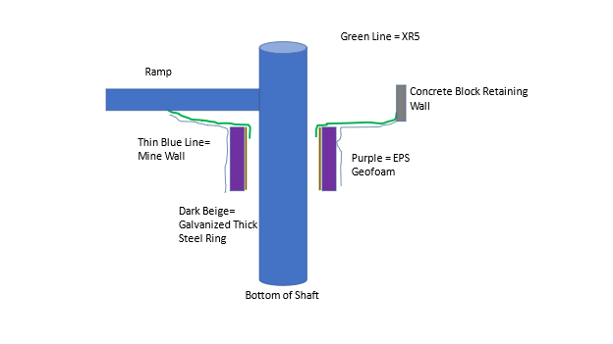
Figure 2: Geomembrane/Site Layout Overview
The geomembrane covers the bench area between the interior wall and the bore hole, then drapes over the geofoam, forming the edge of the bore hole. Overall width of the geomembrane varied greatly at 2.5 m (8 ft) to 16 m (52 ft) due to the irregularity of the maintenance area and the bore hole itself. Geofoam was installed along the open edge of the bore shaft to stabilize that edge against erosion. The geomembrane was to keep water away from the geofoam and the edge of the borehole to prevent further erosion between the borehole and the steel liner of the shaft. Figures 3, 4 and 5 illustrate the geomembrane installation.
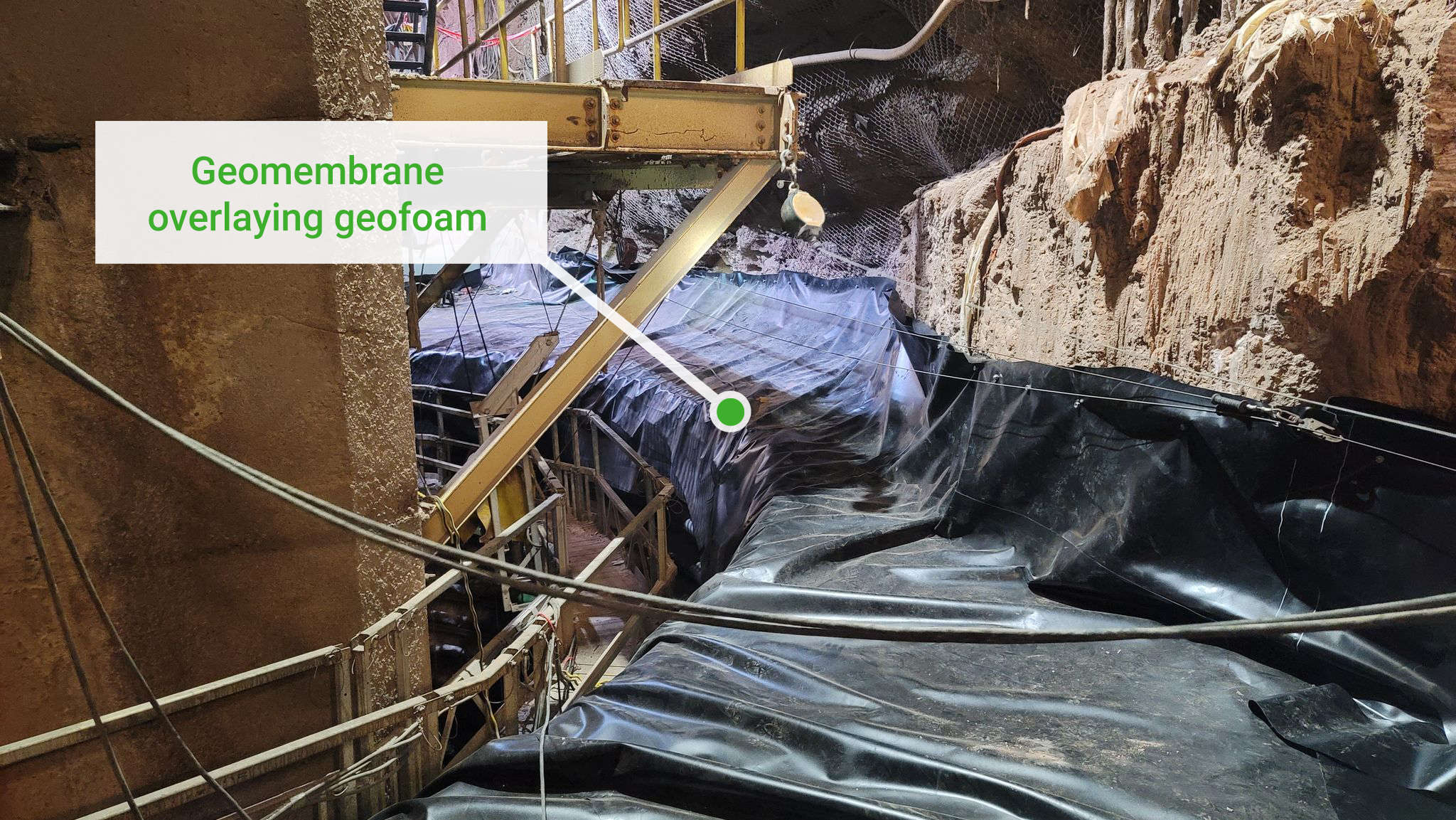 Figure 3: Geomembrane installation
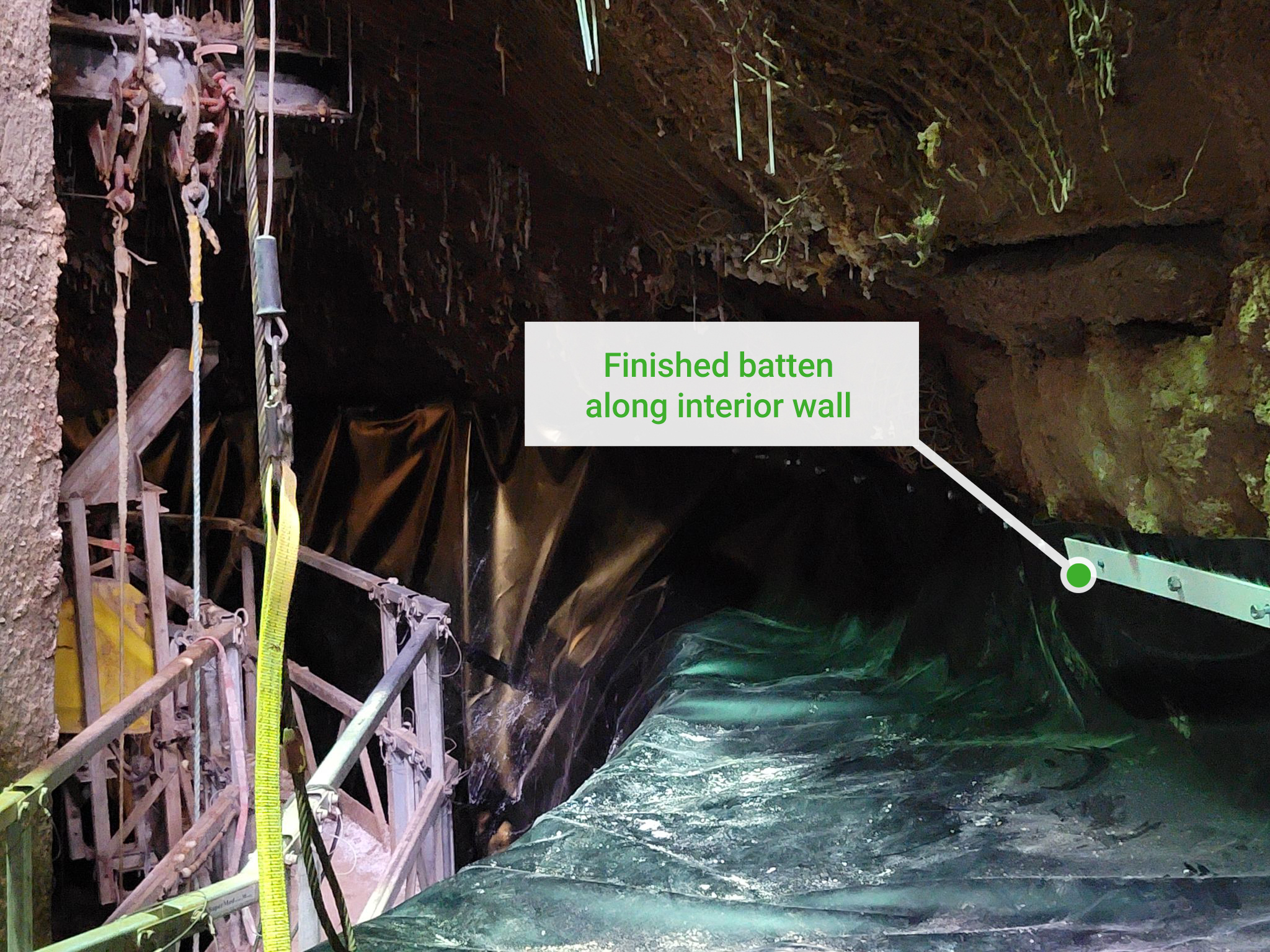 Figure 4: Geomembrane installation
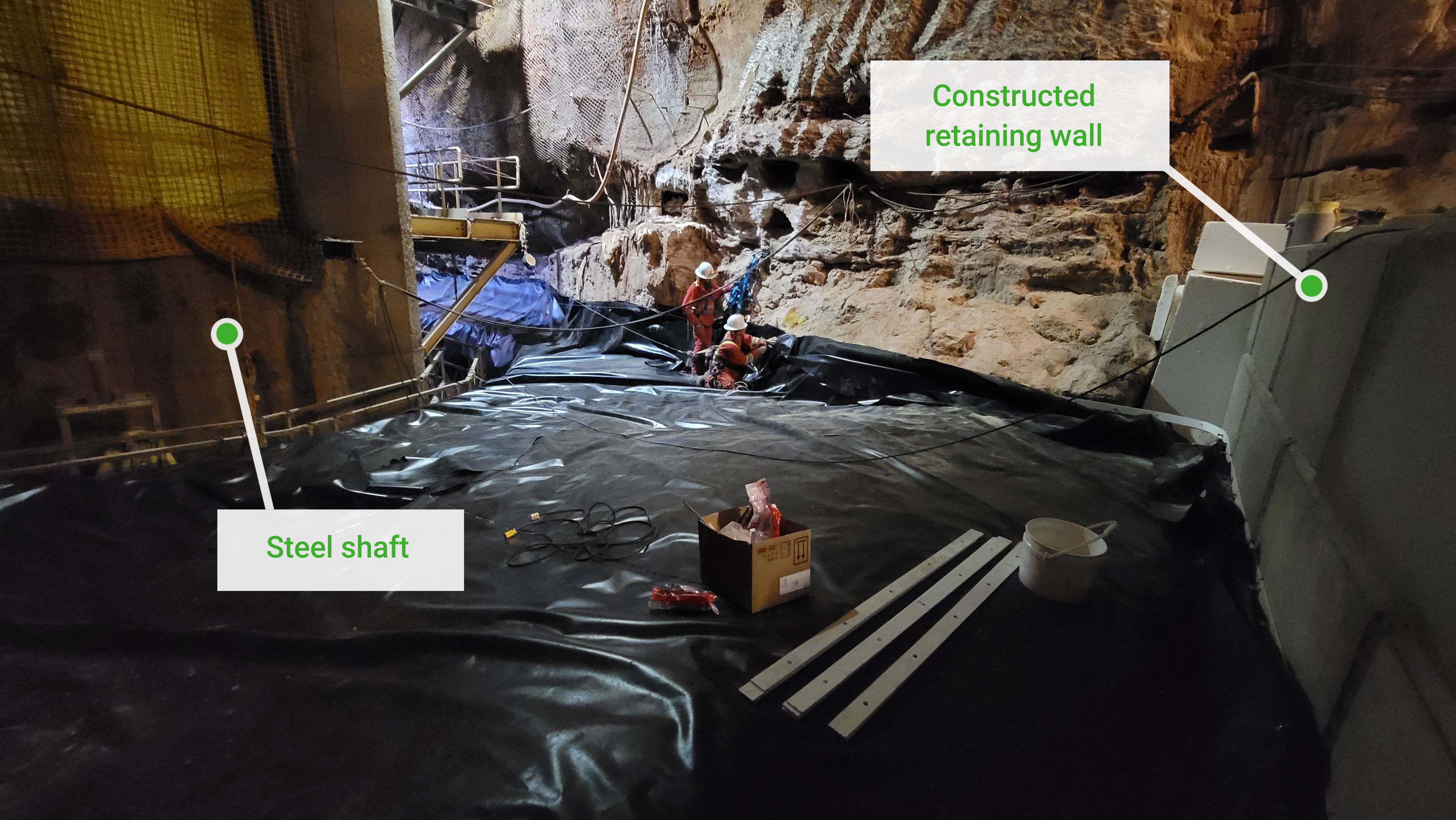 Figure 5: Geomembrane installation
The access ramp was above the bench at varying levels in the maintenance site, requiring even more tight working conditions. GE employed prefabricated panels where possible, minimizing handling and welding. Figures 6 and 7 illustrate installation under and adjacent to the access ramp.
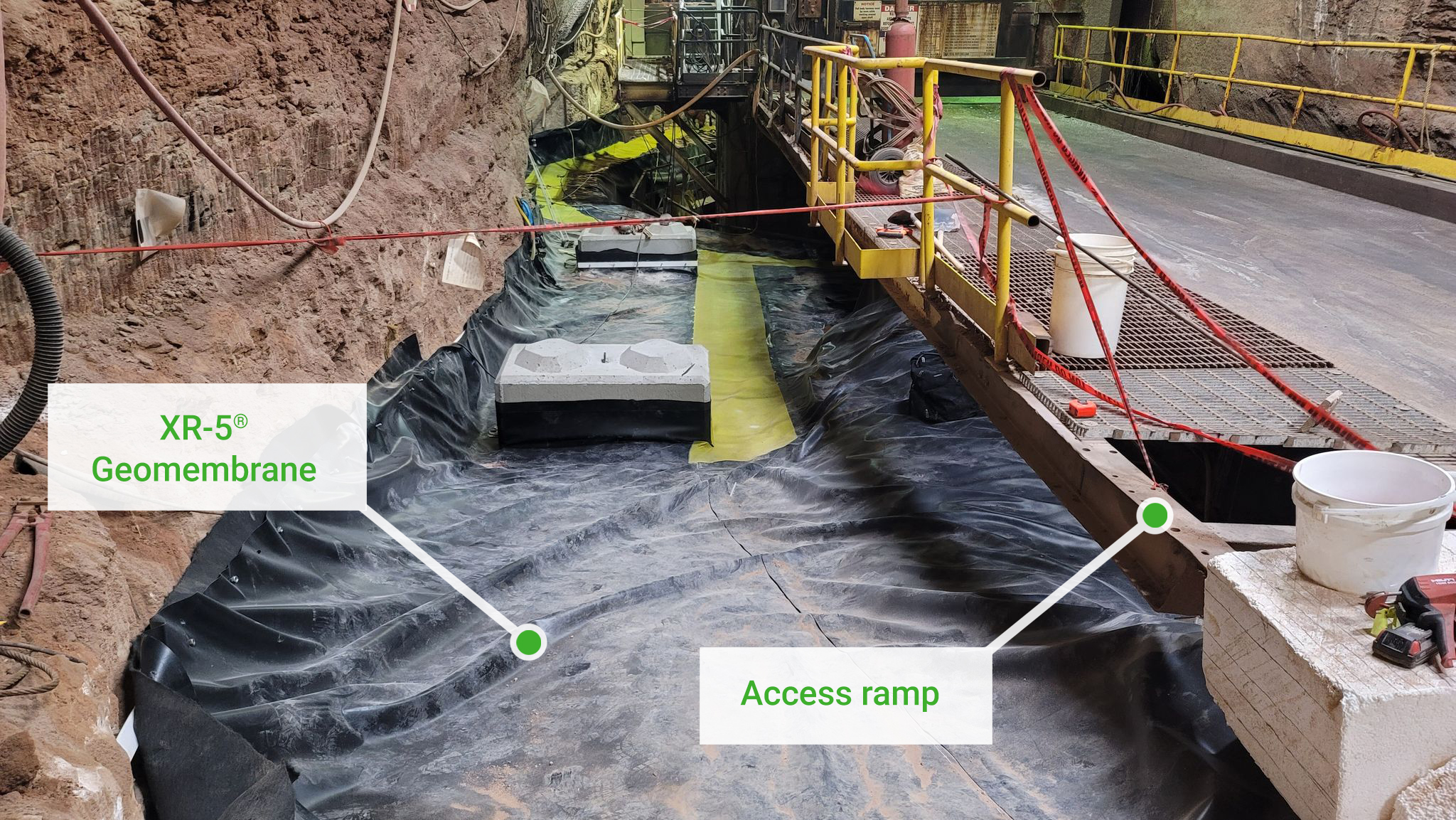 Figure 6: Geomembrane installation adjacent to access ramp
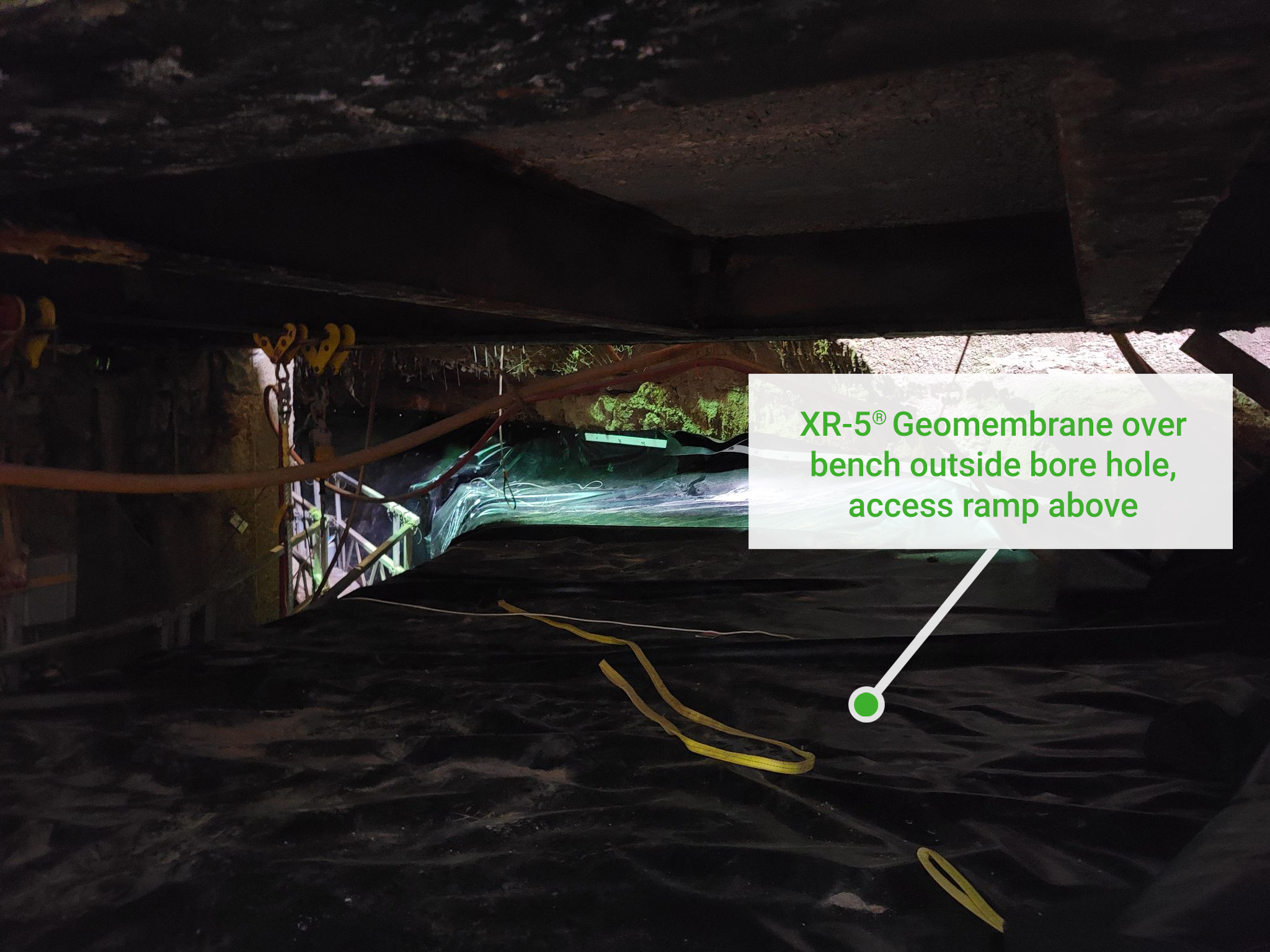 Figure 7: Geomembrane installation below access ramp
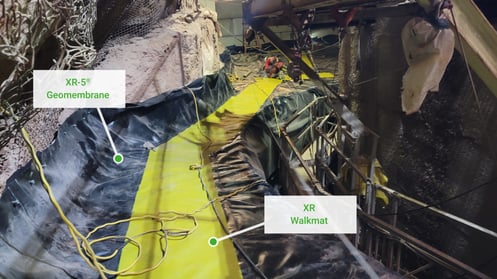 Figure 8: Walkmat installation.
To provide added protection for the geomembrane against foot traffic during inspections, a walkmat, weldable to the parent geomembrane, was provided in some areas as shown in Figure 8.
The Seaman XR-5 Geomembrane addressed all these constraints and was selected for various reasons:
Flexibility – It was critical that the geomembrane be placed easily in tight areas and be foldable for transportation and deployment.
Strength – Puncture resistance, yield strength and abrasion were installation and long-term performance criteria.
Chemical resistance – The geomembrane needed long-term resistance to potassium and sodium chloride solutions in order to protect the geofoam.
Longevity– The mine is in a large reserve of available ore, and the waterproofing solution needed to be dependable long term. Any construction 1300 m below ground surface is difficult and needs to produce dependable results.
Walkmat compatible – A walkmat that could be heat-welded to the parent membrane, be visually noticeable and provided a stable walking surface was important.
Seaman Corporation’s XR-5 has a 40-year record of providing long-term containment solutions. For more information, contact:
Seaman Corporation: https://www.xrgeomembranes.com/contact-us
Green Earth Environmental: www.greenearthenvironmental.ca
All figures courtesy of Green Earth Environmental unless otherwise indicated.