



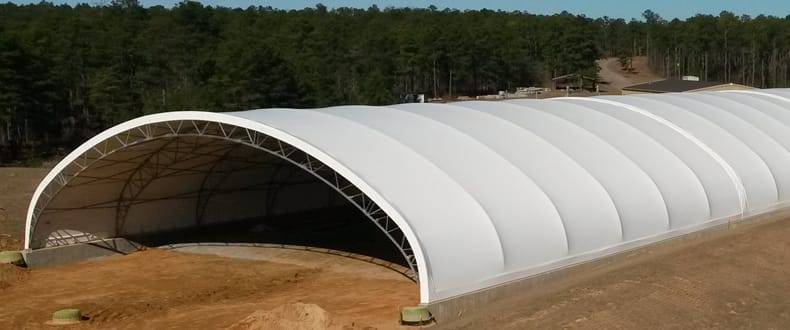
Fabric structures offer numerous benefits, including lower building costs, flexibility, speed of construction and more sustainable designs, among others. All these benefits mean very little if the structure itself is not safe and stable. Fortunately, with proper planning, design and maintenance, a fabric structure will be just as safe as a traditional building—all while outperforming it in terms of initial and ongoing costs.
We’ve built a list of key considerations when building a fabric structure to prevent structural failures that endanger life and cause costly property damage. Many things can cause structural failure, so this is not an exhaustive list, but here are some best practices when designing, building and maintaining fabric structures.
Build to Code
It may seem obvious, but many structures fail because they were never up to code. An example of this was the Dallas Cowboys practice facility, a membrane structure that failed in a thunderstorm in 2009, leading to a dozen injuries and millions of dollars in damages. Investigations found that the structure had been inadequately designed, with the engineers incorrectly calculating wind loads and an unqualified designer upgrading the structure the year before the collapse. As a result, it failed despite facing wind loads considerably below the industry standard.
Local codes are not only a legal benchmark—they’re a great gauge of minimum requirements for snow, wind and other forces the building is likely to face. For long-term durability and safety, following local codes for every specific project is the way to go.
Strong Foundation
Fabric buildings are dynamic and can successfully use a number of different foundations, but this part of construction should not be overlooked. If your fabric structure will be up for months, years or even decades, it will require a proper foundation for the soil and terrain. Follow the manufacturer’s specifications. The foundation is key because it supports the rest of the building—skimping here compromises the whole structure.
Don’t Take Shortcuts
Designs that seem too good to be true in terms of cost and ease of installation probably are. If the structure is likely to face challenging weather, saving a little money up front could prove very costly in the event of failure. Use reputable suppliers with proven track records designing effective structures for similar applications and regions.
Remember the Fabric
Too often the fabric is the last consideration on a fabric structure. People assume that various options all do the same thing and don’t carefully consider the different options. Some factors to consider include:
- Tensile strength. Use a product that provides the best tensile and seam strength in all environments.
- Cleanability. Dirt and grime are unsightly, but they also damage the underlying fabric and can even lead to mildew growth that further damages the structure. Use a truly self-cleaning product that retains its key properties throughout the lifetime of the structure.
- UV resistance. UV rays damage fabric roofs. Choose a product with long-term performance in terms of UV resistance and color stability.
- Flammability. Fire is a particularly dangerous structural failure. Some fabrics are inherently flame resistant while others require proper formulations of the coating compounds to provide permanent fire resistance. Safer fabrics provide peace of mind.
- Longevity. Choose a product that can stand up to decades of use and work as it did when it was first installed.
Ongoing Maintenance
Like any other building, an architectural fabric structure requires some maintenance and periodic inspections. While easy to maintain and structurally sound, fabric structures may require repairs, cleaning or other upgrades. Regularly inspect and service your structure to ensure it provides years of reliable and safe service.
If you’d like to learn more about building and maintaining safe and effective fabric structures, contact Shelter-Rite.