



Skip to content
logo
Commercial & Public Spaces Data Centers Food & Beverage Government & Emergency Response Manufacturing Power, Oil, & Gas Sports & Leisure Transportation & Infrastructure Water & Wastewater Management
feature image

Commercial Roofing

logo-fibertite
Geomembranes

Geomembranes

logo-xr
Architectural Fabrics

Architectural Fabrics

logo-architectural
Innovative Fabric Solutions

Industrial Fabrics

logo

About Seaman Corporation

Seaman Corporation is a privately held, multi-generational family-owned U.S. manufacturer and trusted provider of protective solutions, delivering high-performance industrial coated fabrics since 1949.

Read More
Corporate Responsibility Our Impact Our History Leadership and Governance Careers

Our Insights

Explore Our Insights
Case Studies Competitive Comparisons Blogs Press Room Webinars

Contact Seaman
Corporation

800-927-8578 Send A Message Now

Locations

World Headquarters

Seaman Corporation
1000 Venture Boulevard
Wooster, Ohio 44691

330-262-1111 330-263-6950

Bristol, Tennessee

Seaman Corporation
PO Box 3946
225 N. Industrial Drive
Bristol, TN 37620

423-989-5200 423-989-5215

More ways to Connect

Careers
Credit Application
Blogs

Geomembranes Meet a Variety of Needs for Railroads

Learn more about the select characteristics and criteria your geomembrane should meet for effective performance.

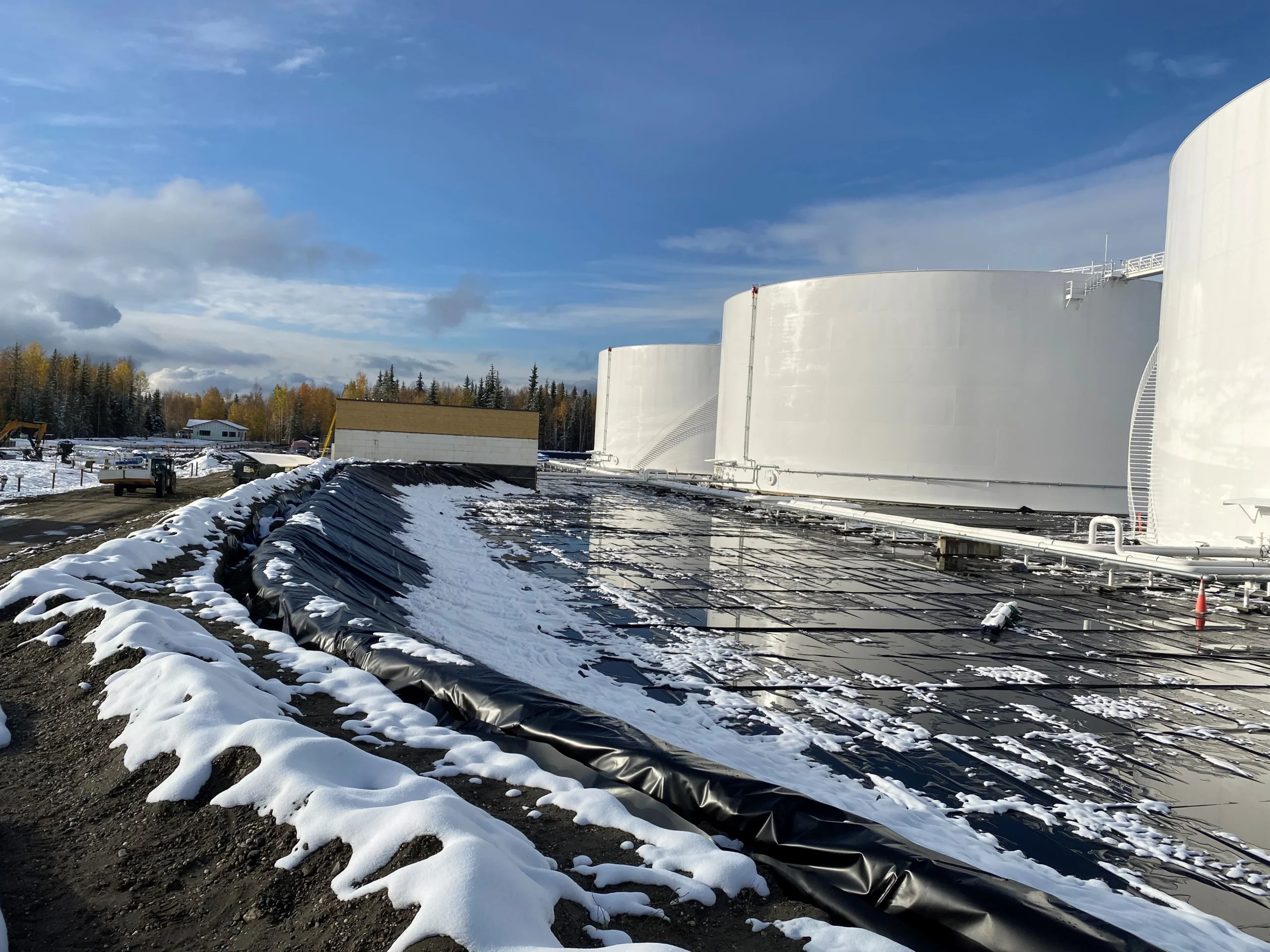
XR-5 being used as a dike liner around aboveground dieseal fuel tanks.Geomembranes have played a key role in keeping railroads compliant with environmental regulations for a number of years, most prevalently in the role of spill containment in rail yards.

Containing fuel spills and chemical discharges is mandated by parts of the Clean Water Act—specifically the National Pollutant Discharge Elimination System (NPDES) and the Spill Prevention, Control and Countermeasure (SPCC) regulation. Geomembranes are a great choice for these applications because they are cost-effective, durable and proven.

For NPDES compliance, the most common applications involve lining stormwater runoff ponds in rail yards. These prevent stormwater that could potentially contain diesel fuel and other rail yard runoff from entering the outside environment.

Under SPCC, geomembranes are often used for secondary containment around aboveground diesel fuel tanks. These mandated liners are also common around jet fuel tanks at airports and military bases.
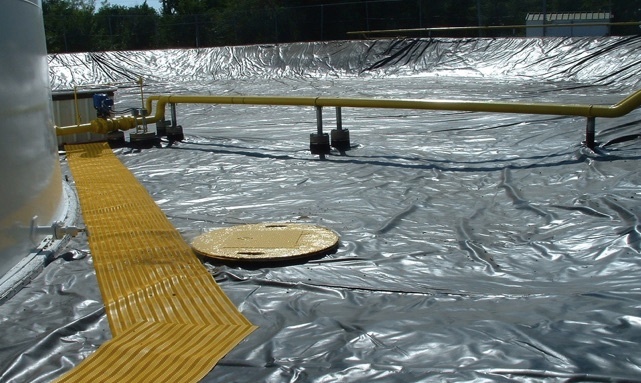
XR-5 being used as a dike liner around aboveground dieseal fuel tanks.

What to Look For

Choosing a geomembrane for effective service in the railroad industry means honing in on select characteristics. A good geomembrane will meet all criteria, so don’t compromise. Seek liners that deliver the following:

  • Chemical and fuel resistance. Diesel fuel and chemicals can cause some geomembranes to break down. The right choice will be compatible with hydrocarbons and have a low-permeation/vapor transmission rate.
  • UV resistance. All or part of a liner will always be exposed to UV rays, so long-term UV resistance is critical. Geomembranes that break down due to UV exposure require more frequent replacement and can cause non-compliance due to premature leaks.
  • Longevity. Select a geomembrane with a great track record in the rail industry. A high-quality liner should provide a minimum of 20 years of great service.
  • Strength. Choose a product with high tensile strength. A geomembrane with a supported backing provides maximum puncture resistance. A rail yard is a challenging environment, so pick a tough geomembrane that can stand up to abuse.
  • Good thermal properties. Unsupported geomembranes expand and contract with temperature changes. This can lead to environmental stress cracking and exacerbate UV damage.
  • Flexible design options. Products with choices like weldable walk mats allow for safe and easy maintenance and inspections, and ease the loading and unloading of fuel. Heat welding the walkmat to the parent liner adds strength and the mats provide a textured and highly visible walking surface without requiring a gravel or soil cover over the liner. Keeping liners exposed provides an advantage when it comes to inspection and maintenance, and it makes any required cleanup much easier. 

Whether you’re relining or lining new projects, making the right call on a geomembrane will allow for decades of worry-free service. To learn more about how geomembranes serve the rail industry, contact XR Geomembranes.
Subscribe for more Insights from XR® Geomembranes

Insights Journals

receiving award
Blogs

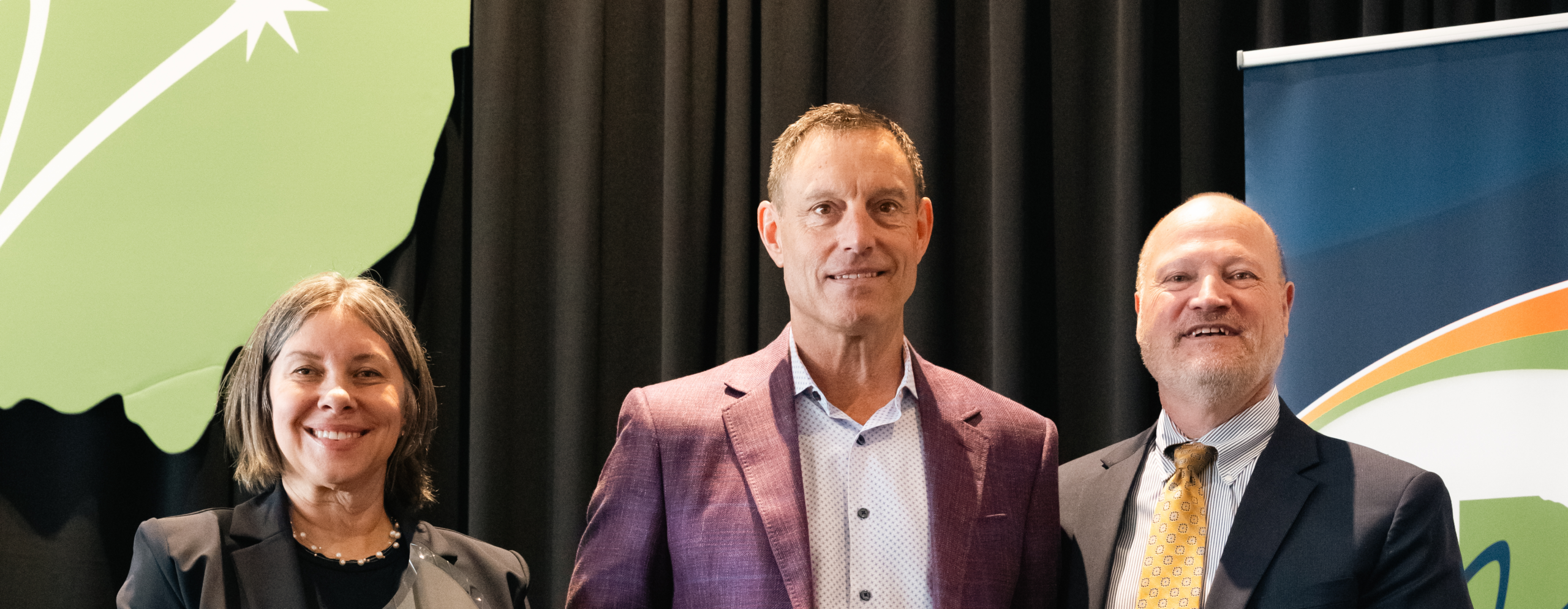
Seaman Corporation Earns WEDC Quality Growth Award

The Wayne Economic Development Council recently honored Seaman Corporation with the Quality Growth Award and its Chairman, Richard Seaman, with the Chris Schmid Community Impact Award at its Annual Meeting.

Blogs

How Does a Geomembrane Hold Up 18 Months After It Is Installed?

It is difficult to estimate the life of a geomembrane, but there are ways to prolong it. Learn how these factors impact the weathering of your geomembrane.

Blogs

5 Things I Learned Watching a Geomembrane Installation

It is difficult to estimate the life of a geomembrane, but there are ways to prolong it. Learn how these factors impact the weathering of your geomembrane.

Blogs

Why Local Governments Should Consider Fabric Structures

Portable tension structures have numerous benefits such as additional emergency shelter. Learn why you should use portable tension structures here.

Explore Insights
logo
Privacy Policy Legal

Made in the U.S.A.

Family-owned U.S. manufacturer since 1949

Copyright © 2026 Seaman Corporation. All Rights Reserved.