
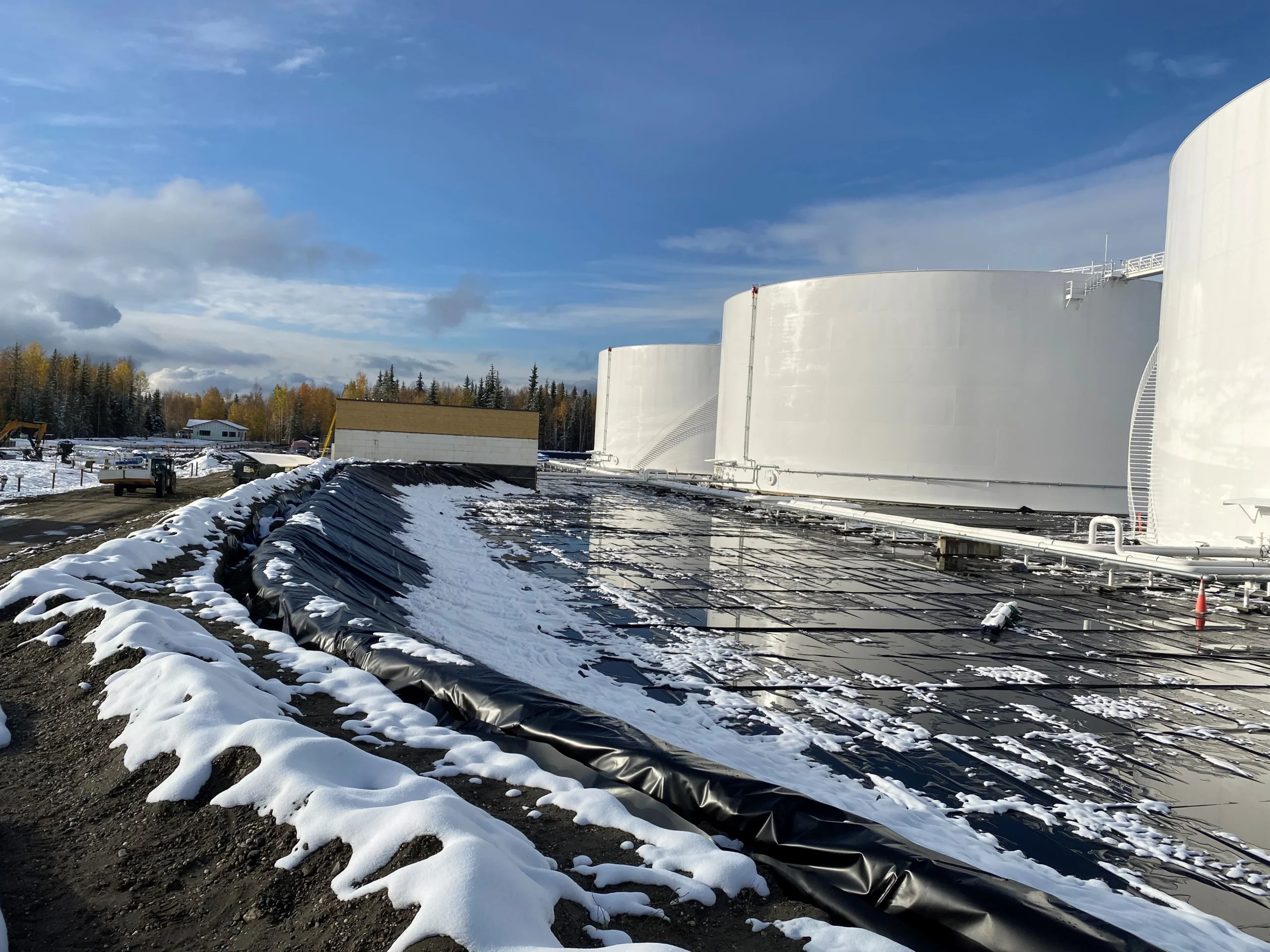

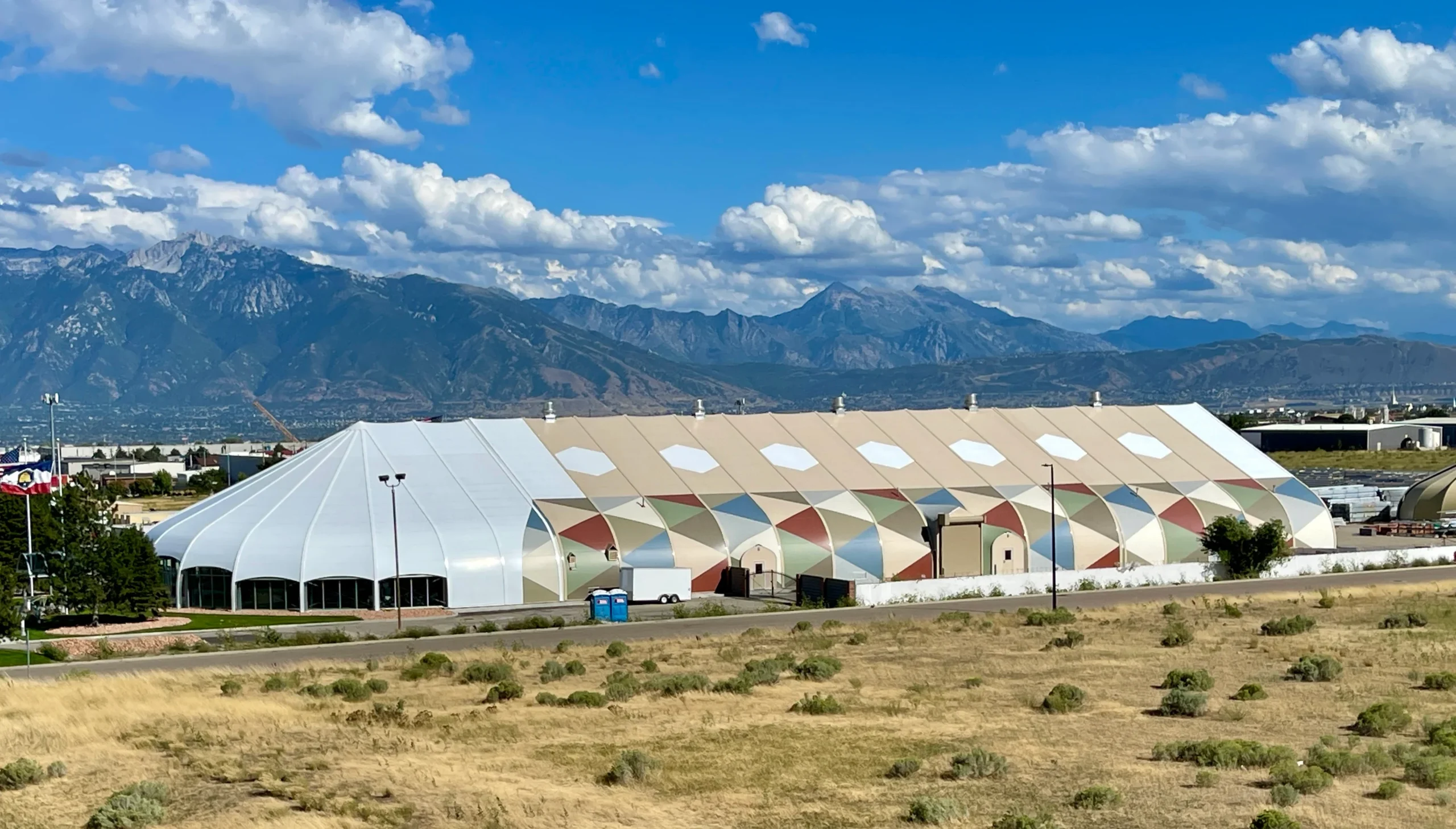

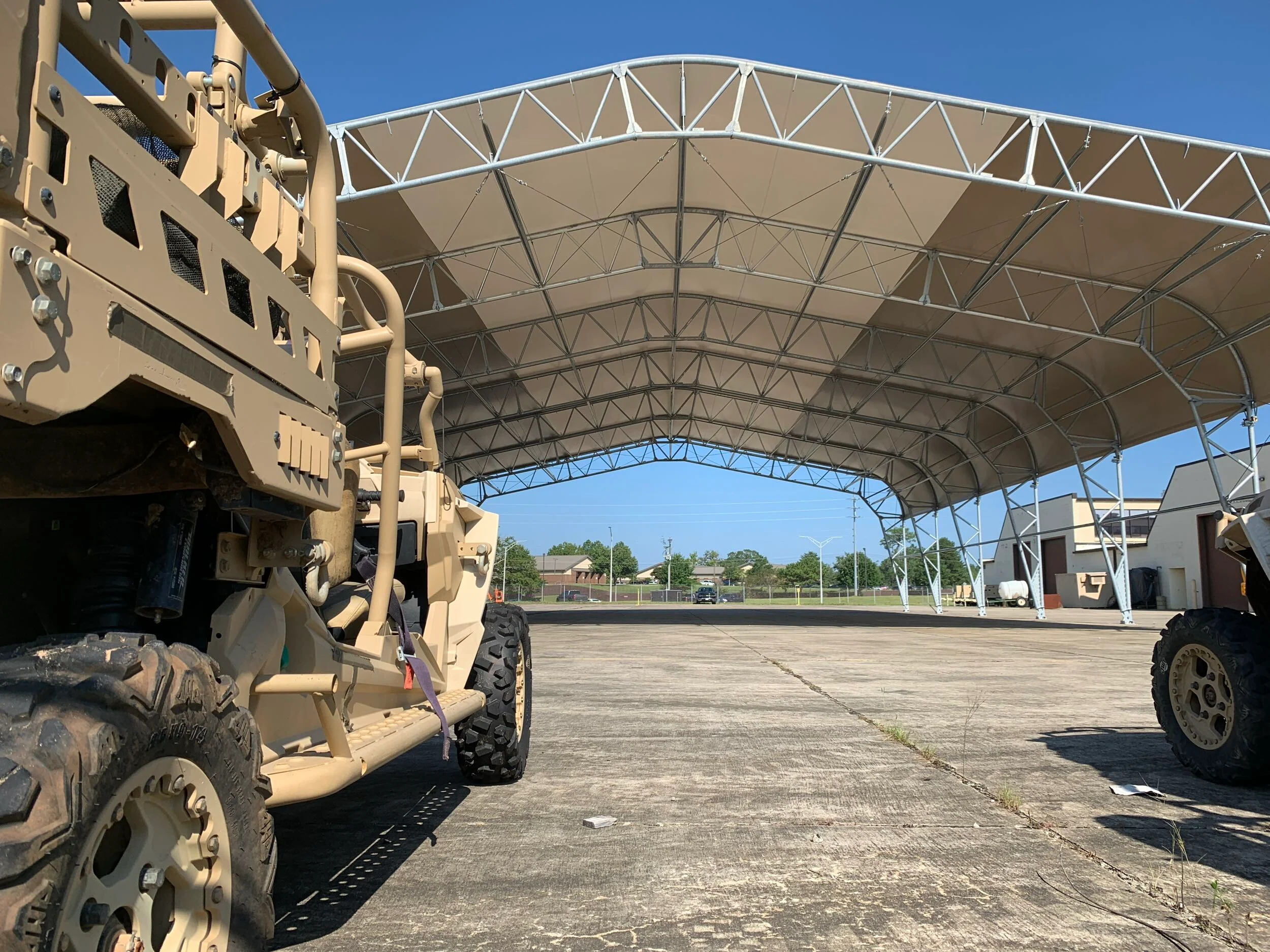

The term “weathering” on first glance appears to be straightforward. Most in the geomembrane industry consider it to narrowly describe sunlight or UV resistance only. In fact, testing and property specifications are often only from a sunlight exposure standpoint. But the effects of changing temperatures, precipitation, wind, etc. can be factors of destruction for geomembranes.
Weathering Destruction Mechanisms
Each type, or family, of polymers used in geomembrane formulations react and perform in different manners. Complicating that even further, geomembranes are not totally comprised of a single polymer, but rather are formulated to various extents to provide performance and longevity. Polymer and mechanical destruction are the most common, broad, types of attack and are induced in different manners. All stem from weather effects of UV light, temperature variations, and other environmental factors such as precipitation and wind. Most of the original failures of geomembranes were the direct result of UV light destruction. Polymers and formulations have improved over the years and shorter service life is rarely solely a result of sunlight exposure. The exception of course is geomembranes which are clearly not designed to be utilized in sunlight exposed applications. However, the other weathering exposure mechanisms can be equally, or more, destructive than sunlight, but are often not addressed by geomembrane manufacturers. As a designer, you must look closely at the membrane itself, not just virgin polymer, to evaluate how it will weather.
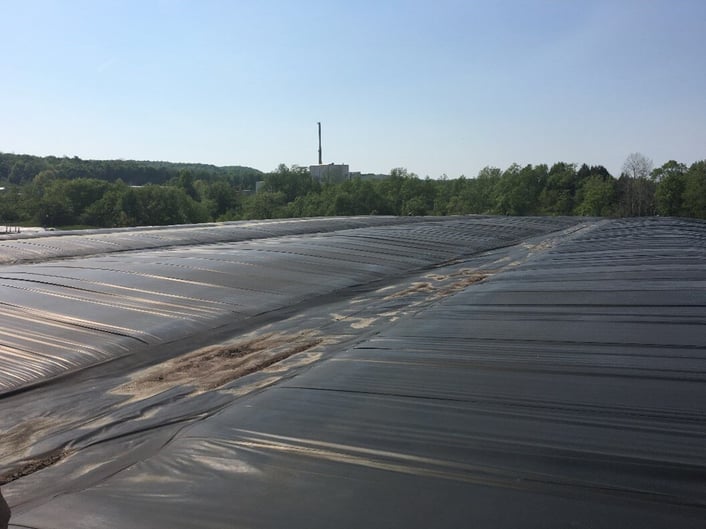
XR-5 geomembrane exposed landfill cap.
New York USA
Laboratory testing for weathering effects of UV
There are several ASTM UV/weathering test methods which vary in a number of ways including:
- Light source type,
- Light patterns such as cycling, angle of exposure etc., and
- Addition of additional characteristics such as intermittent water spray.
Light source variation is the primary differentiator between these test methods. The 2nd and 3rd variables induce not only UV but other failure mechanisms as well.
Like most laboratory test results, direct scale up to field conditions is difficult, regardless of the test method (s). However, laboratory tests for UV light are very helpful index comparisons.
Other measures of weathering effects
Some geomembranes fail by a more direct completion of antioxidants which have been
added in the formulation in order to extend the exposure lift. Those failure mechanisms are caused by a number of exposure types including chemical and heat, in addition to UV alone. A separate group of test methods by ASTM and other research groups attempt to quantify, or compare, the exposure resistance of these geomembrane products. Polyethylenes and polypropylenes primarily fall into this category.
Testing exists to measure the direct effect of heat and cyclic heat for all types of geomembranes. Unfortunately, the characteristics of the application/installation itself determine the importance of this testing. Consequently, many attempt to design around the problems created by damaging effects from heat and cyclic heat, with polymer modification and in geomembrane field layout. Both are limited in success; the inherit nature of most polymers cannot be substantially changed. Some geomembranes use polymers that are essentially unaffected by thermal and cyclic thermal environments, presenting them as excellent choices in most exposed applications.