Skip to content
logo
Commercial & Public Spaces Data Centers Food & Beverage Government & Emergency Response Manufacturing Power, Oil, & Gas Sports & Leisure Transportation & Infrastructure Water & Wastewater Management
feature image

Commercial Roofing

logo-fibertite
Geomembranes

Geomembranes

logo-xr
Architectural Fabrics

Architectural Fabrics

logo-architectural
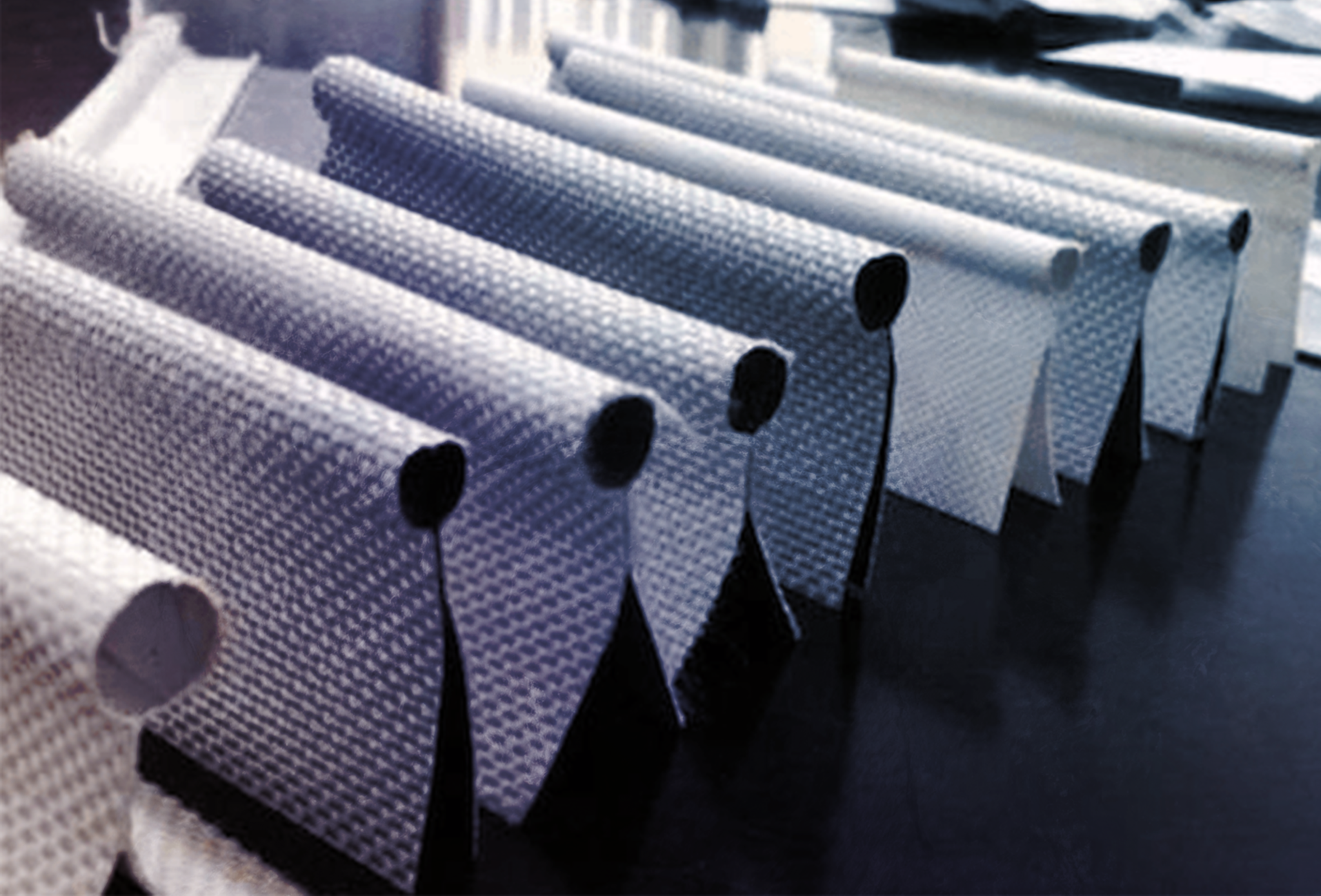
Keder samples fabricated by Lightweight Structures

Tensioned Fabric Solutions

Lightweight Structures
Innovative Fabric Solutions

Industrial Fabrics

logo

About Seaman Corporation

Seaman Corporation is a privately held, multi-generational family-owned U.S. manufacturer and trusted provider of protective solutions, delivering high-performance industrial coated fabrics since 1949.

Read More
Corporate Responsibility Our Impact Our History Leadership and Governance Careers

Our Insights

Explore Our Insights
Case Studies Competitive Comparisons Blogs Press Room Webinars

Contact Seaman
Corporation

800-927-8578 Send A Message Now

Locations

World Headquarters

Seaman Corporation
1000 Venture Boulevard
Wooster, Ohio 44691

330-262-1111 330-263-6950

Bristol, Tennessee

Seaman Corporation
PO Box 3946
225 N. Industrial Drive
Bristol, TN 37620

423-989-5200 423-989-5215

Whitehall, Pennsylvania

Lightweight Structures
1139 Sumner Avenue, STE 1
Whitehall, PA 18052

610-435-4720 610-465-8866

More ways to Connect

Careers
Credit Application
Lightweight Structures™
Applications Services Products Documents Contact Online Store
LWS Menu Card Keder
Lightweight Structures

Keder Attachment Systems for Fabric Structures

Keder is the rope edge welded or sewn to a fabric panel that slides into an aluminum rail (extrusion), connecting the fabric to the frame. Learn how it works and how to choose the right style and size.

Reliable Connections Between Fabric and Frame

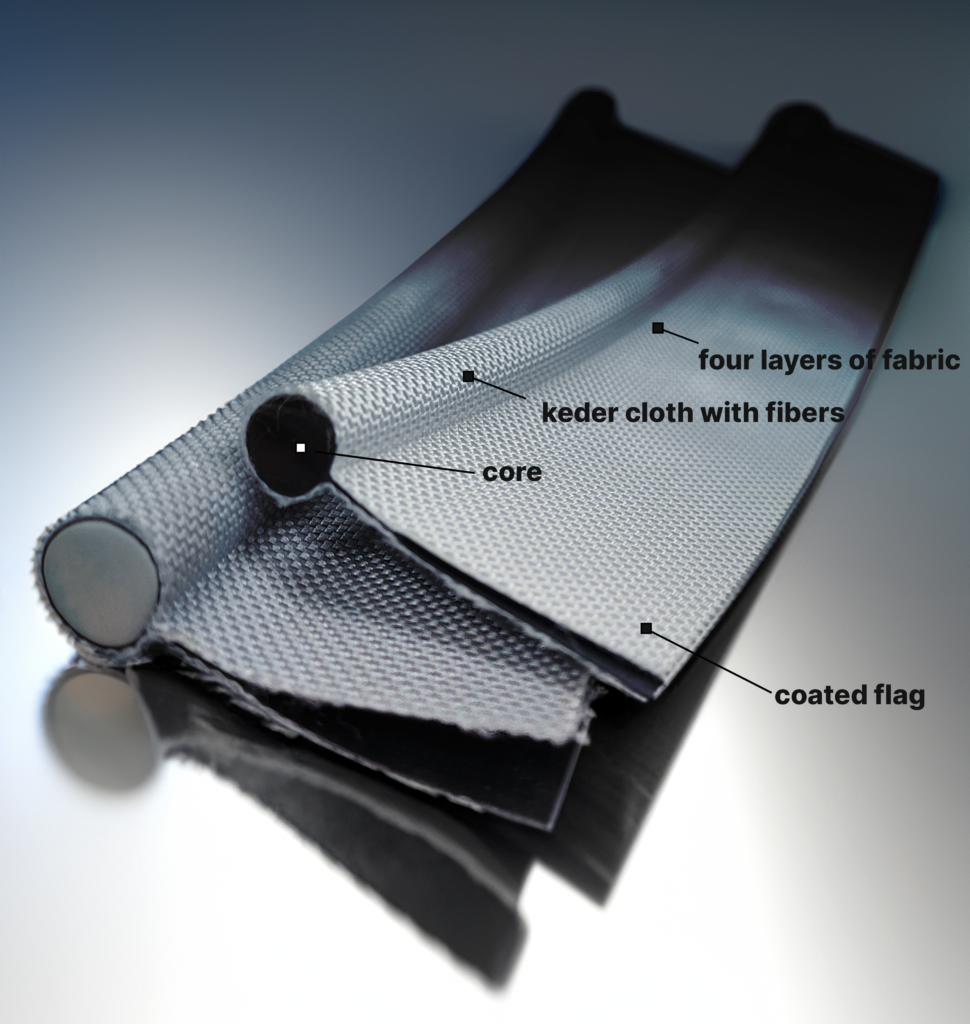
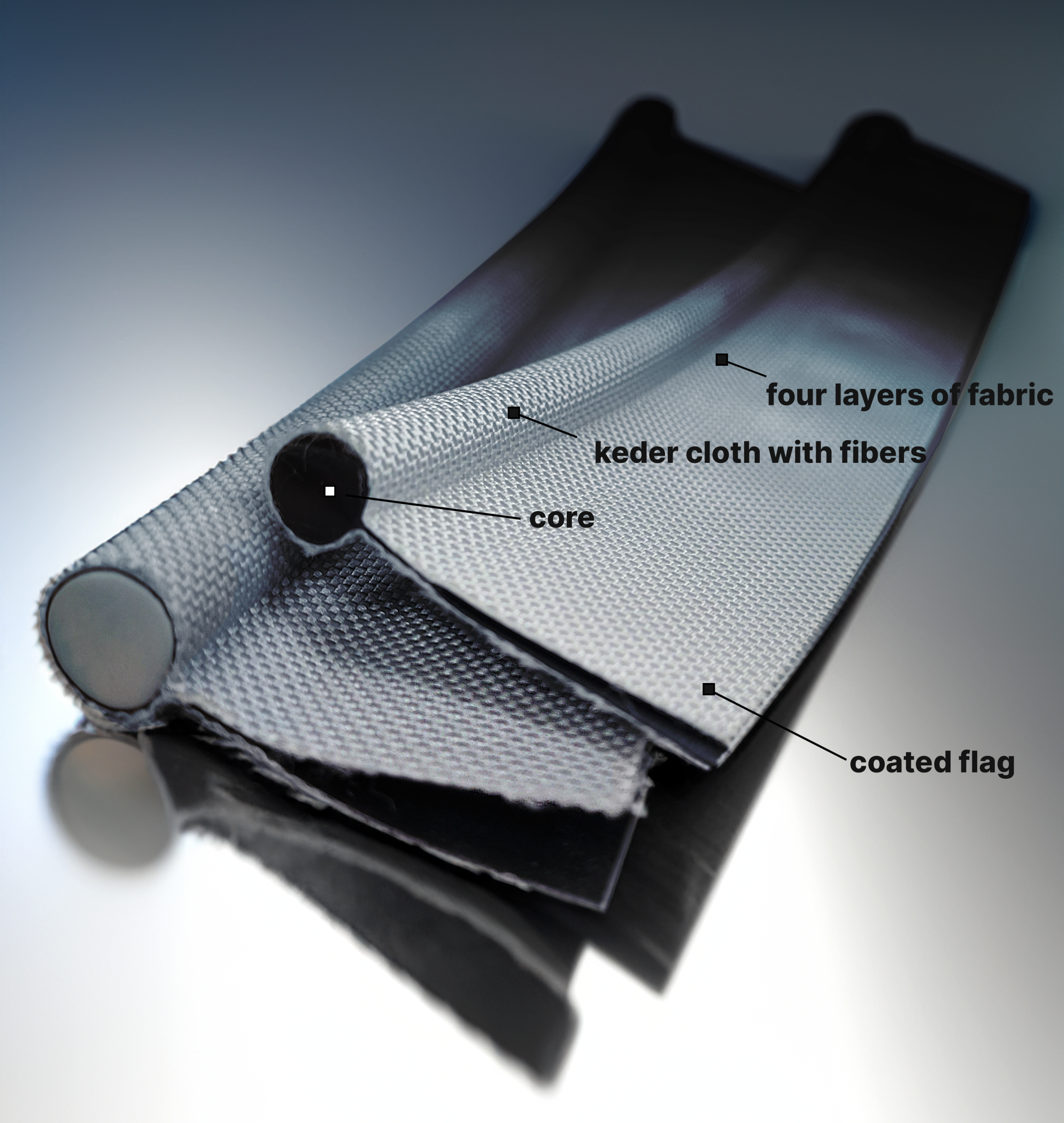
Keder is the rope edge that connects a fabric panel to its frame: it slides into a channel in an aluminum extrusion rail. Keder consists of two components, a PVC extrusion core and a woven fabric jacket. The jacket’s fibers are exposed on the outside, so the cord slides smoothly into the rail, making keder easier to install than other rope edges. The same rope edge goes by several names: you may hear it called a bolt rope or a welt, and see it spelled kador or kedder.

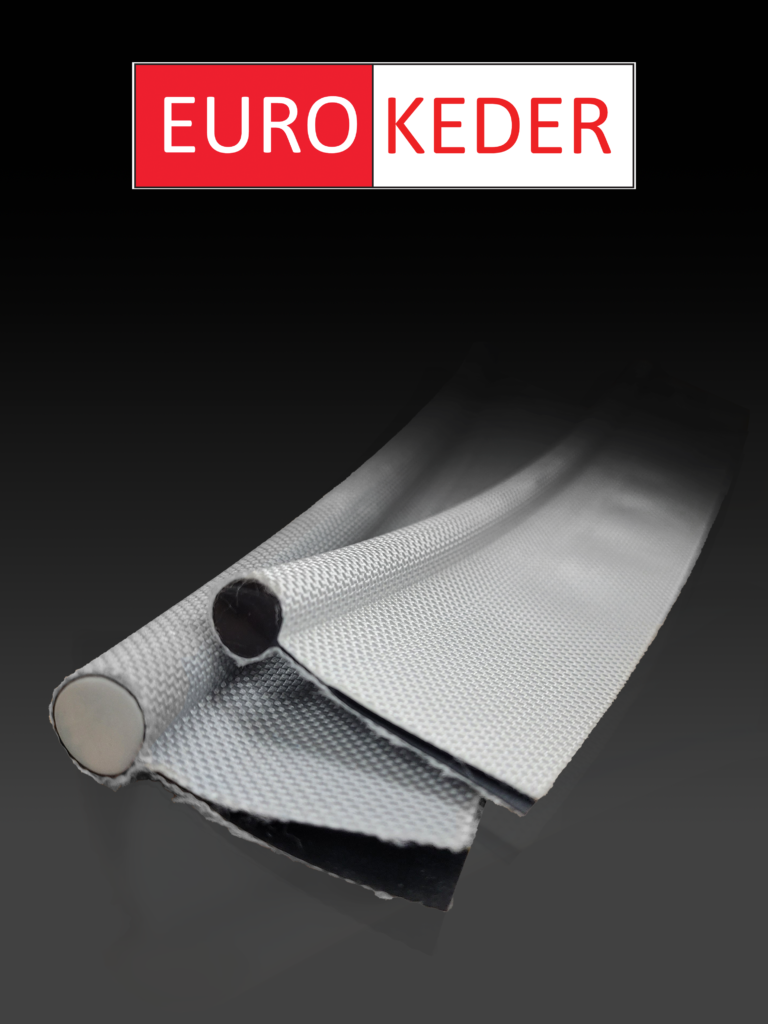
Lightweight Structures carries two full keder lines, KederMaker and EuroKeder, along with the keder rails they slide into and repair keder for panels already in service. Below are the most common places keder is used, along with answers to the questions buyers ask most.

Keder Applications

Tent Structures

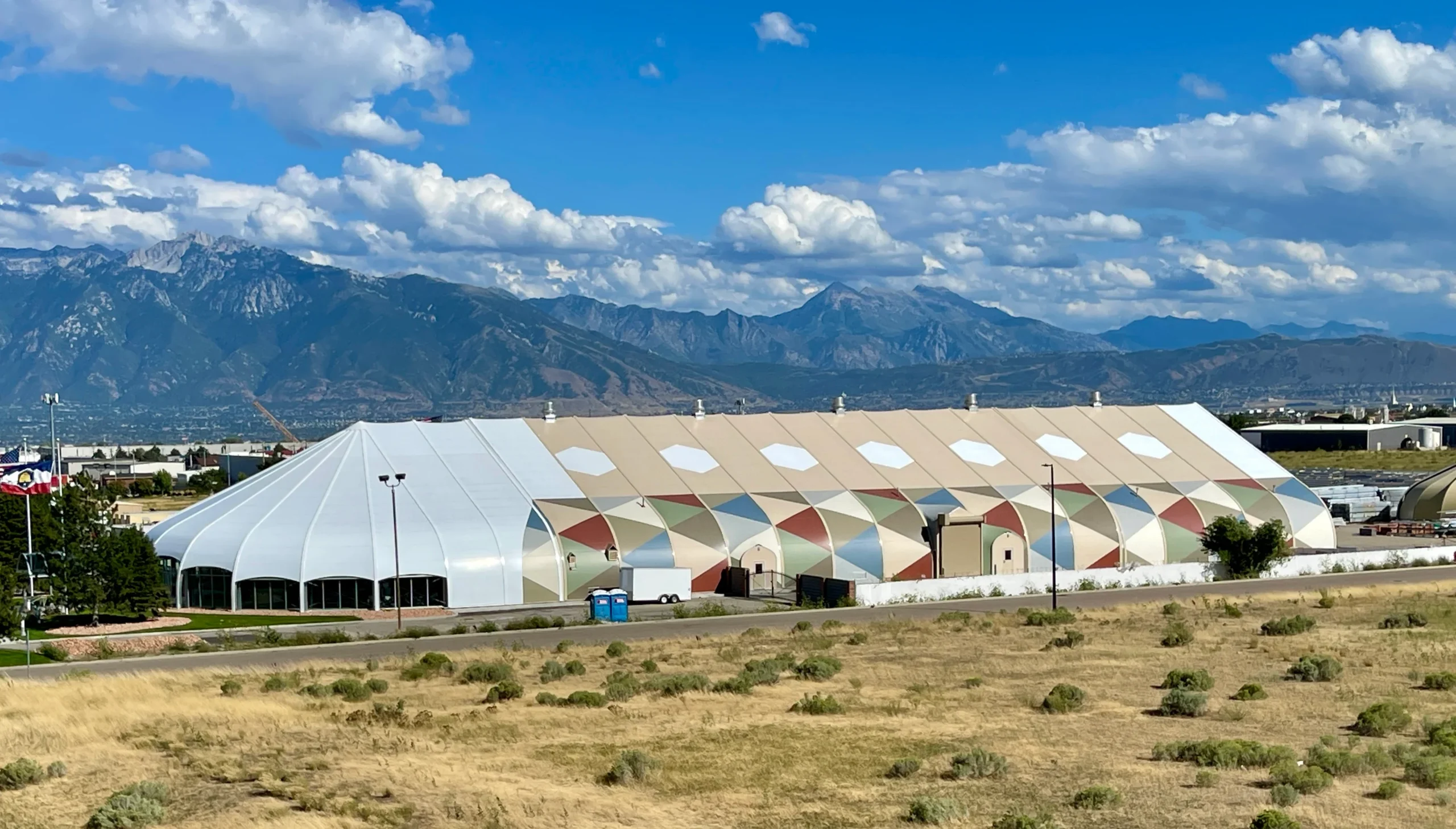
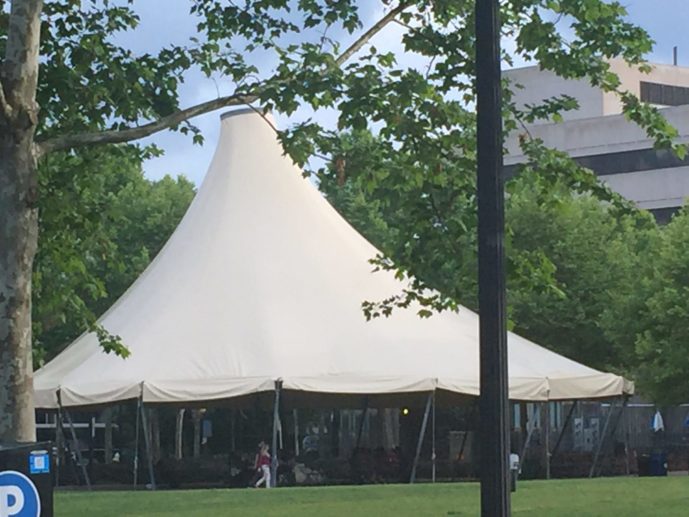
Keder provides a strong, reliable connection between fabric panels and rail-and-frame systems in tensile and tent structures, whether permanent or temporary. Lightweight Structures also supplies the materials to repair fabric panels on existing tent structures.

Banner Advertising

Keder holds advertising banners and signs. Durability and easy installation make it a good fit for this work.

Awnings and Sunshades

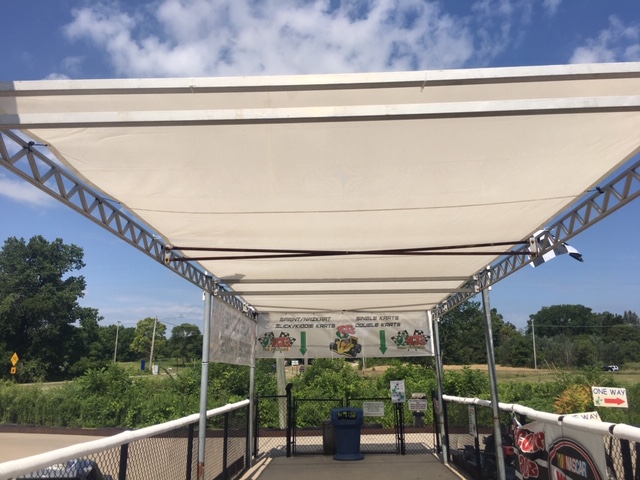
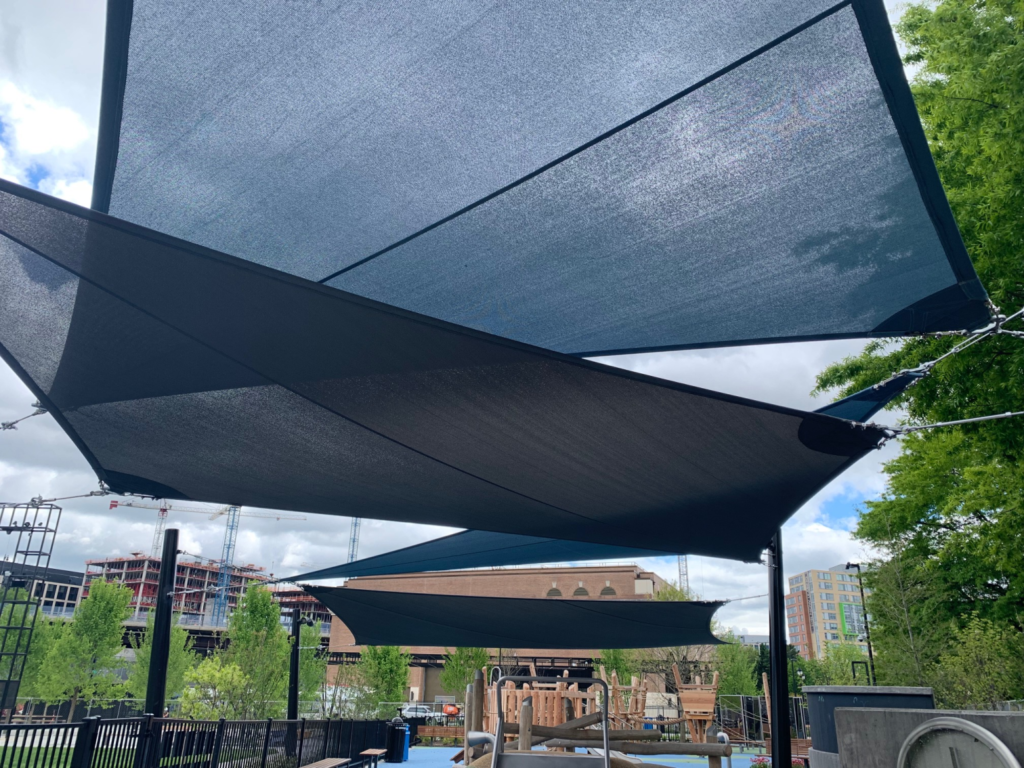
Keder and extrusion rail systems secure awning fabric over smaller-scale outdoor spaces, adding UV protection.

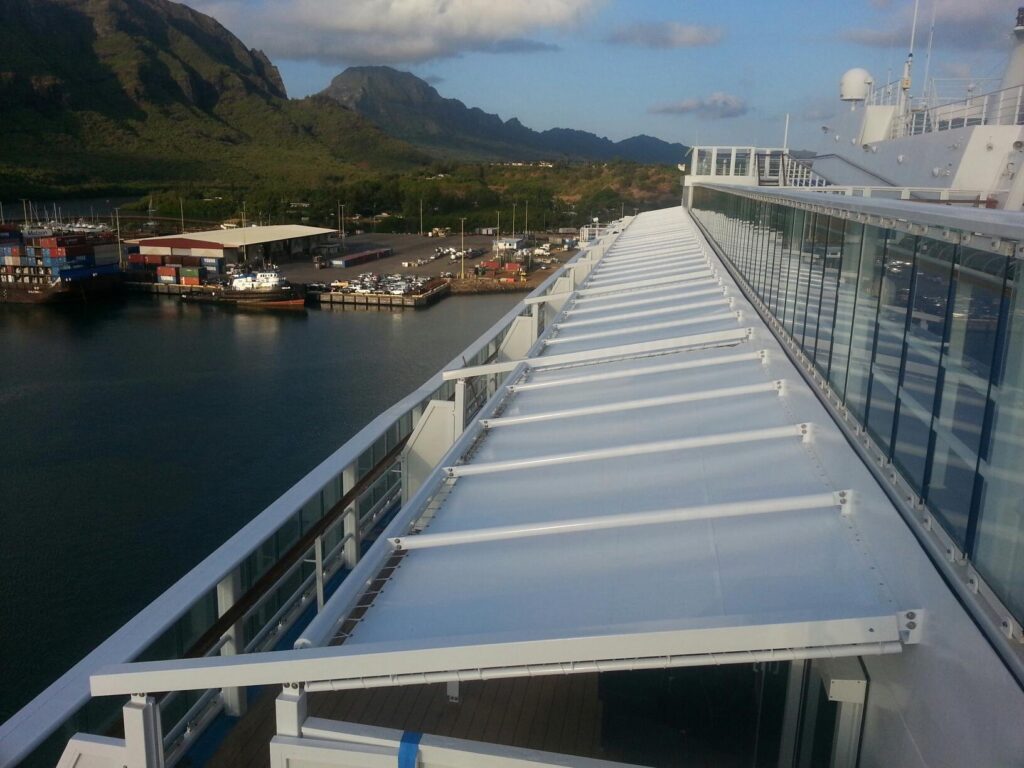
retractable fabric canopies over a ship deck walkway

Marine

On boat covers and sails, keder provides an edge that stays flexible and holds up to weather.

Selecting the Right Keder System for Your Application

The right keder depends on three things: the attachment style, the weave of the jacket fabric, and the weight of the yarn. Keder styles separate into three forms based on attachment method: sewing, single flag (weldable), and double flag.

Sewing Keder

Sewing keder is the simplest of the three to attach: the flag is welded shut, making it easy to sew to a fabric panel. It is a great choice for signs and banners, and also for larger applications such as awnings and canopies.

Note that most sewing thread is not designed for UV resistance, so sewing is not a suitable method where long-term durability against sunlight exposure is a consideration. Special PTFE thread can provide long-term durability.

Single Flag Keder

A single flag attaches with any welding method, including hot air welding, wedge welding, and radio frequency (RF) welding. RF welding creates a stronger bond and improves water tightness and UV resistance. Single flag keder is not appropriate for larger panels with high tensile loads: because the welding occurs on one side only, the weld becomes a single point of failure. That is why single flag keder uses wider 20 mm welds, and why our experts recommend RF-welded single flag keder. Lightweight Structures distributes all keder already RF welded.

Double Flag Keder

Double flag keder is the strongest and most durable style, and it welds properly only with a radio frequency (RF) welder, equipment that can be cost-prohibitive for smaller companies. With both sides of the flag welded to the panel, the weld is no longer a point of failure; the strength of the fabric becomes the only limitation.

Weave Styles

The weave style refers to the way the keder fabric is woven. There are two common weaves:

  • Plain weave: the most basic form of weaving. Each weft yarn crosses the fill yarns over and under, and the next weft yarn goes over the fill yarn the previous one went under, and so on.
  • Panama weave: a variation in which two adjacent yarns go over and under together, in both the weft and fill directions. The Panama weave stores more yarn per inch woven, giving the fabric greater strength at the same yarn size.

Thread Weight

Fabric strength is measured on the denier or dtex scale. Keder with thicker yarn tends to be stronger and more durable, and it slides better. It usually costs more. Lightweight Structures offers three thread weights: 2000 denier, 1500 denier, and 1000 denier.

Construction and Coating

Construction is the fourth variable. Double coated keder wraps PVC-coated fabric around the core underneath the keder cloth, which shields the cloth from UV and doubles the fabric at the point where the keder wears against the rail. Where a panel already in service has damaged keder, Renew Keder replaces it without an RF welder.

Selecting the Right Keder Size

Keder size is set by the rail it slides into. Keder extrusions (also known as keder rails) are aluminum extrusions designed to allow rope edges to slide into them, securing fabric panels to the frame. They integrate into almost any frame with minimal alterations, and they serve awning and shade, tenting and structures, curtains, and banners and billboards.

These are the diameters we carry:

Product line Diameters Notes
EuroKeder fabric keder 7, 8, 11, 13 mm European-made; sewing, single flag, double flag, and double coated styles
EuroKeder keder cord (by the roll) 7, 10, 12 mm The fabric jacket adds approximately 1 mm to the overall diameter
KederMaker 4, 5, 7, 8, 11, 13 mm RF-welded flat keder with a fully bonded weld around the cord
Renew Keder (repair) 8, 11, 13 mm Stocked in white opaque; welds to existing panels without an RF welder

Other sizes occasionally become available; contact us for additional sizes. Standard sizes are stocked in our online store; for custom sizes or volume orders, contact us for a quote.

Ordering rails with your keder is simple: note that you would like keder rails with your order, and our team will include the cost in your quote.

Ready to Get Started?

Ask us a question or request keder samples. We will help you identify the right products for your project.

Contact Us

Our Industry Insights

Double Coated Keder – IFAI
Press Room

Double Coated Keder – IFAI

IFAI's Specialty Fabrics Review on double coated keder: coated fabric wrapped around an extruded core for wear resistance and longer-lasting panels.

Welded Keder Product Resists Premature Wear
Press Room

Welded Keder Product Resists Premature Wear

InTents Magazine coverage of EuroKeder: 2200 dtex fibers and RF welding designed to resist the premature wear common to standard clearspan keder.

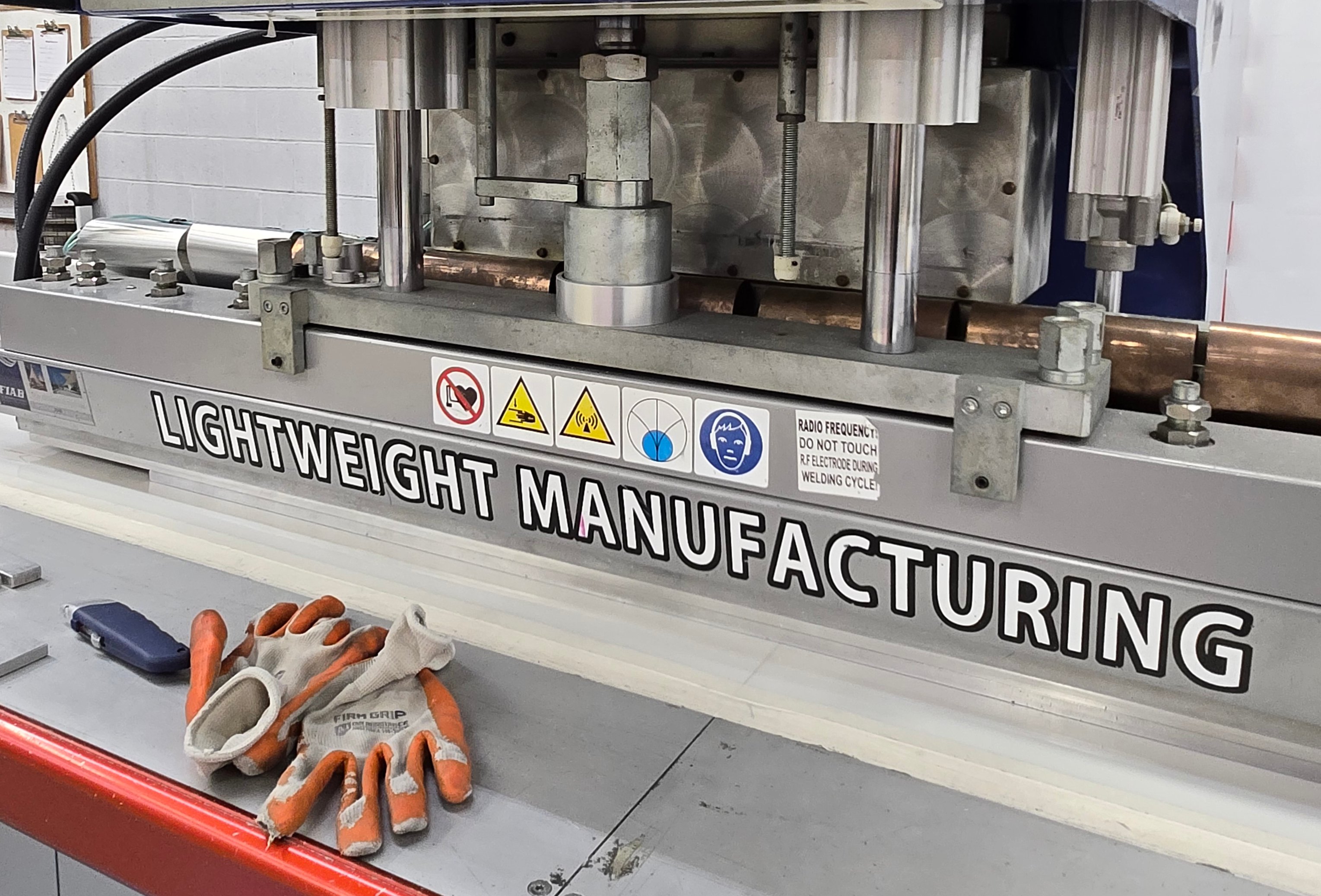
Radio-frequency welding machine on a fabrication bench, with work gloves resting in front of it
Blogs

Types of Industrial Fabric Welds

A practical guide to RF, hot air, hot wedge, and hot bar welding for coated industrial fabrics, including when to use each method.

Keder panels on the reskinned roof of a frame-supported practice facility
Blogs

5-Step Turnkey Reskin Overview

A five-step walkthrough of a turnkey reskin: replacing the outer fabric and inner liner of a football practice facility with keder panels.

Explore Insights

Partners & Memberships

  • ESTA
  • NECPA
  • Advanced Textiles Association (ATA)
  • MATRA
logo
Privacy Policy Legal

Made in the U.S.A.

Family-owned U.S. manufacturer since 1949

Copyright © 2026 Seaman Corporation. All Rights Reserved.