4. Finding the system that would work best
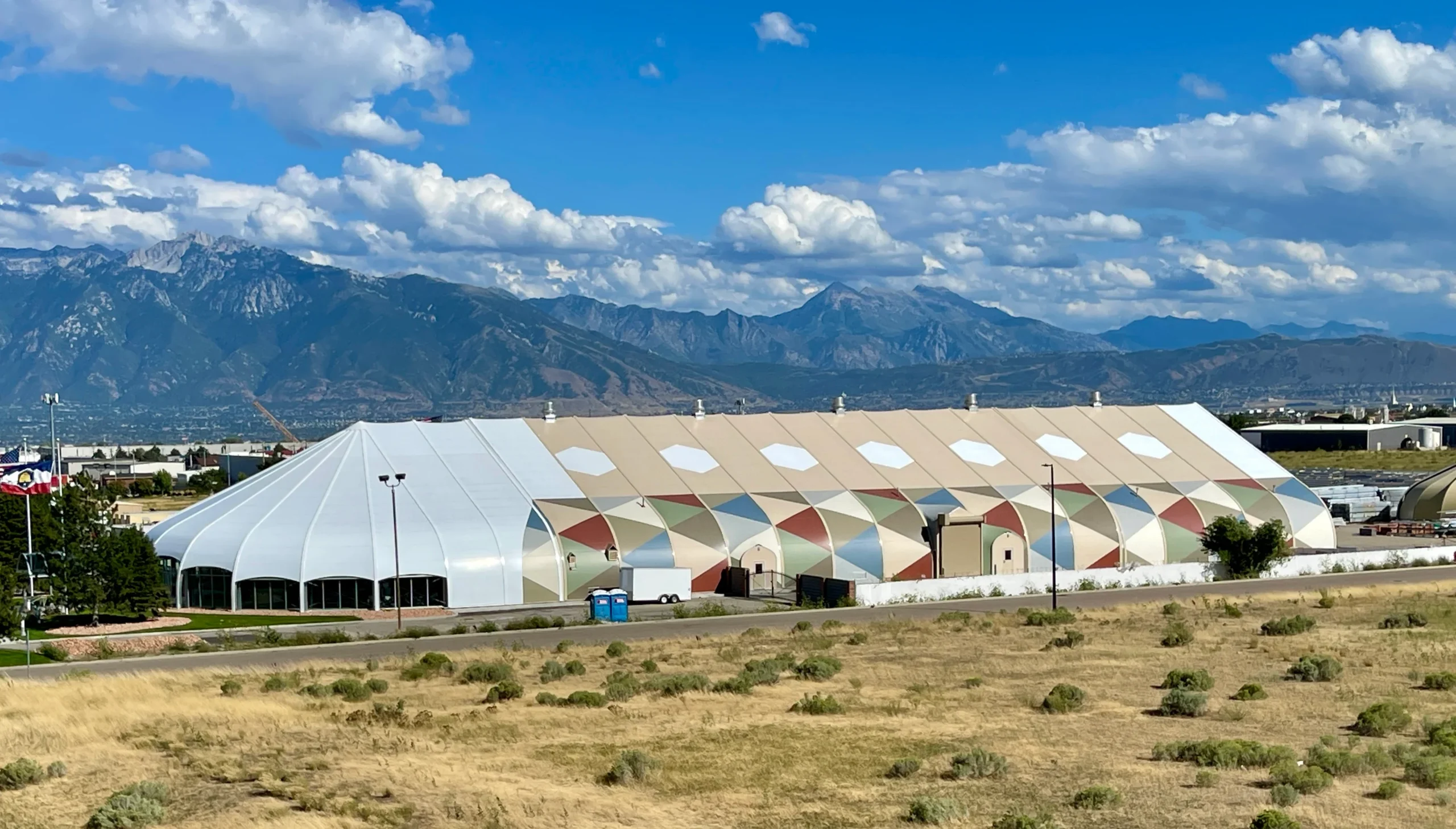
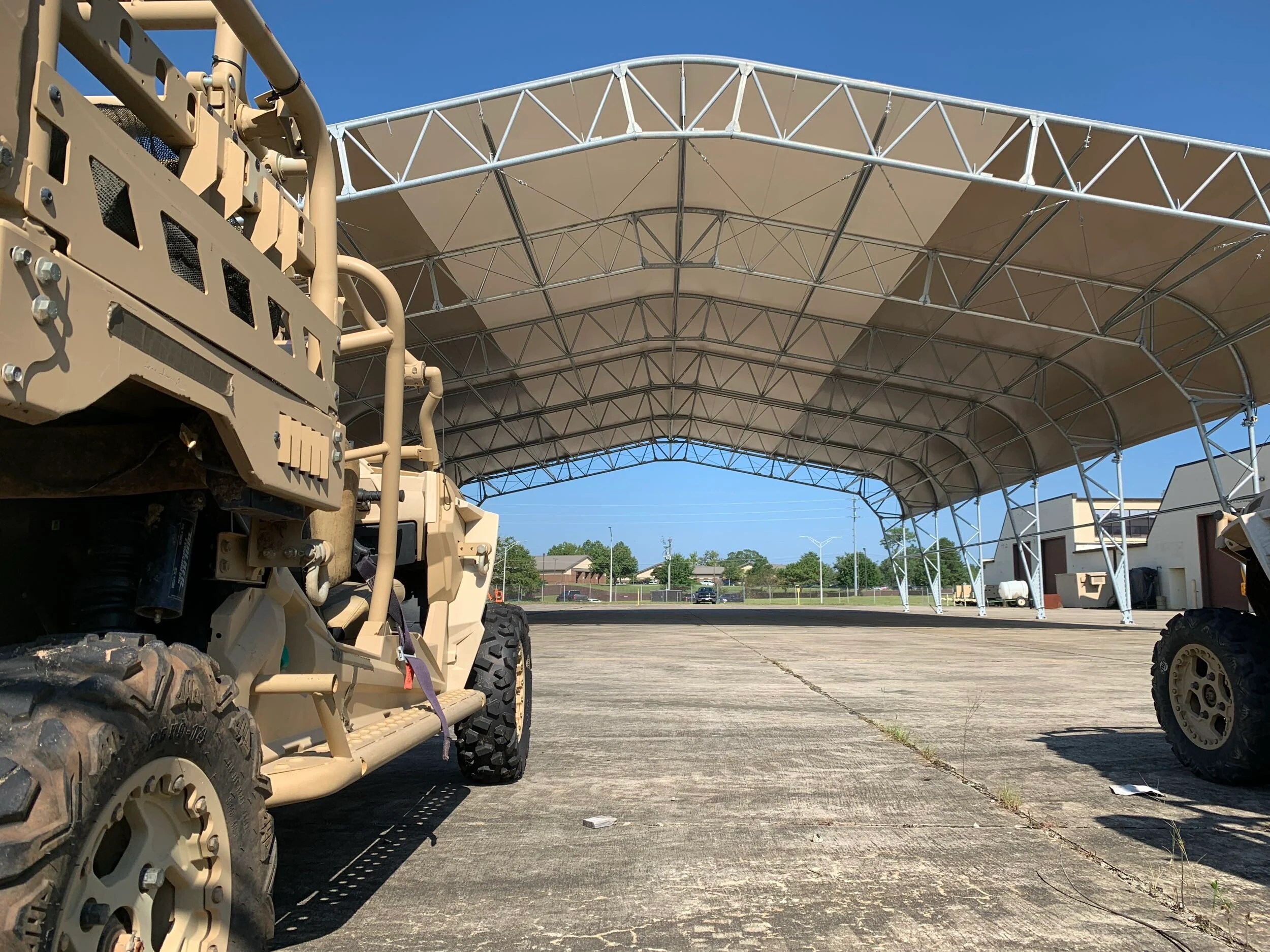
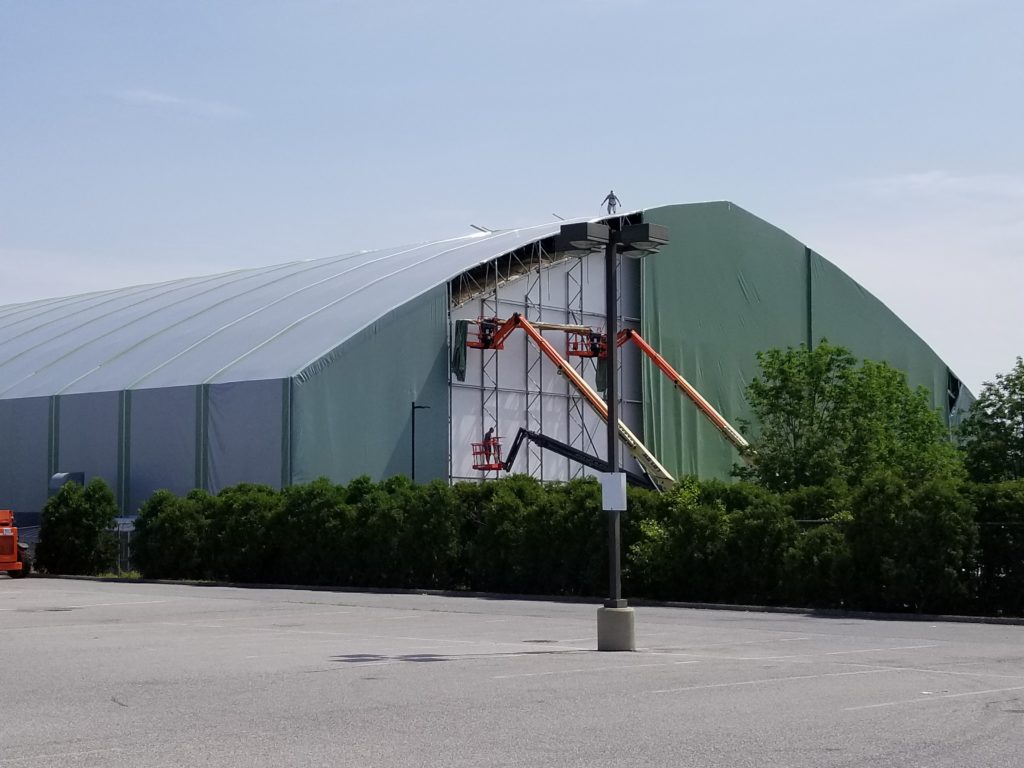
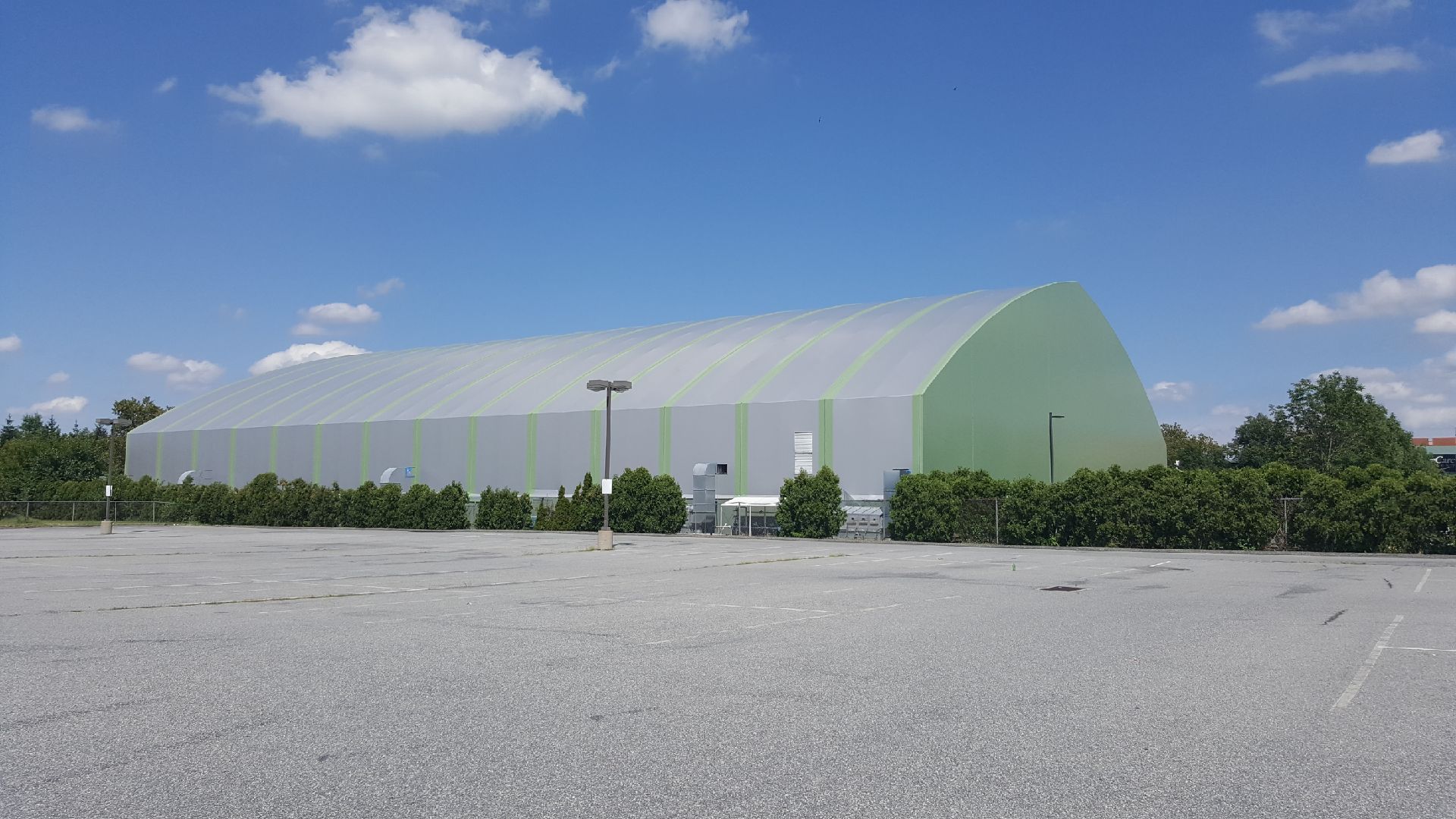
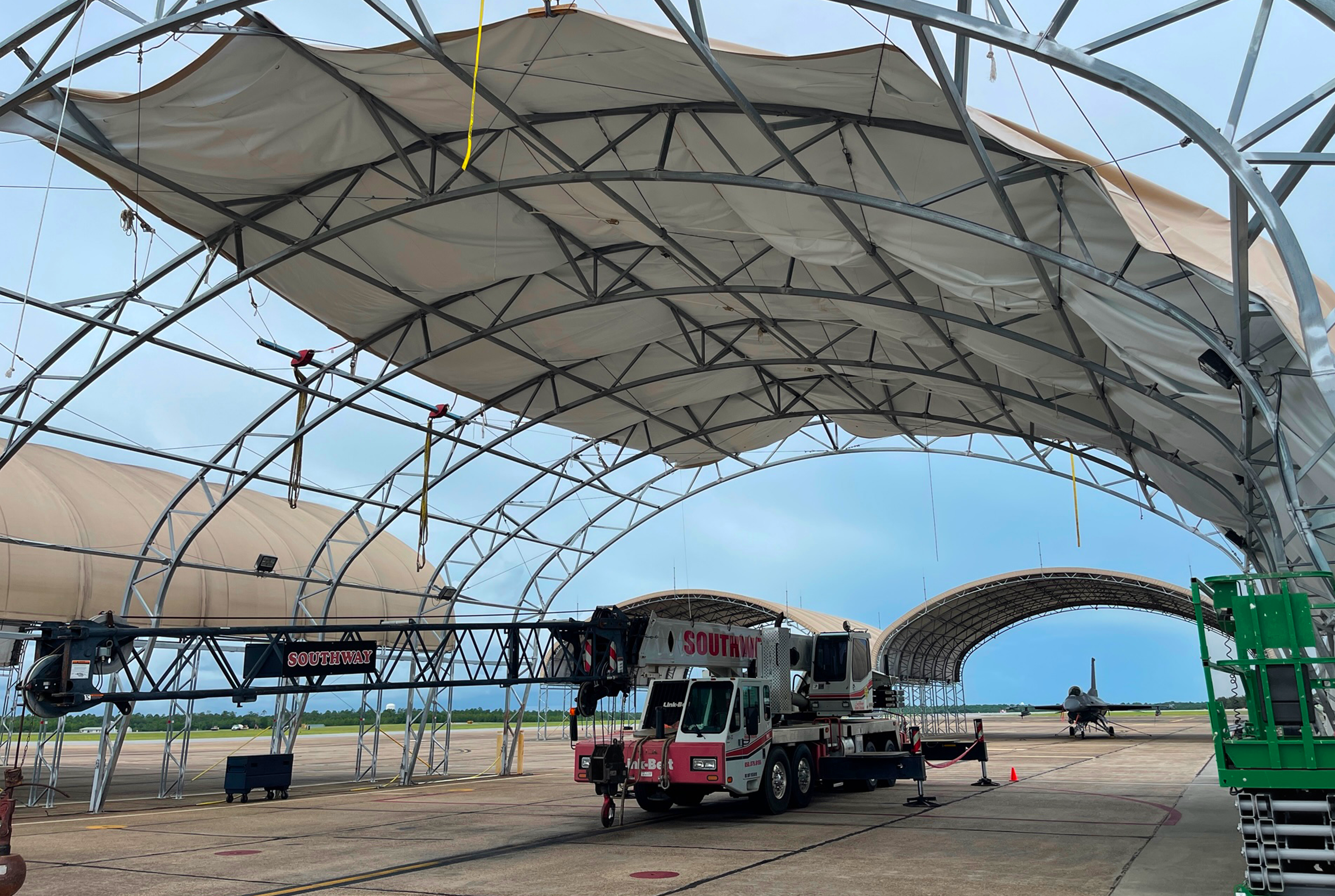
The chosen tensioning system in any fabric replacement project depends on many factors. In this case, the system needed to accommodate the lack of access from the inside; work with a steel frame that cannot be moved to create side-tension in the fabric panels; keep the facility functional during the install; and, preferably, place the fabric with the warp direction running up and over, so the color stripes could run in the warp direction, for efficiency of manufacturing and aesthetic effect, avoiding cross seams that can collect dirt more easily.
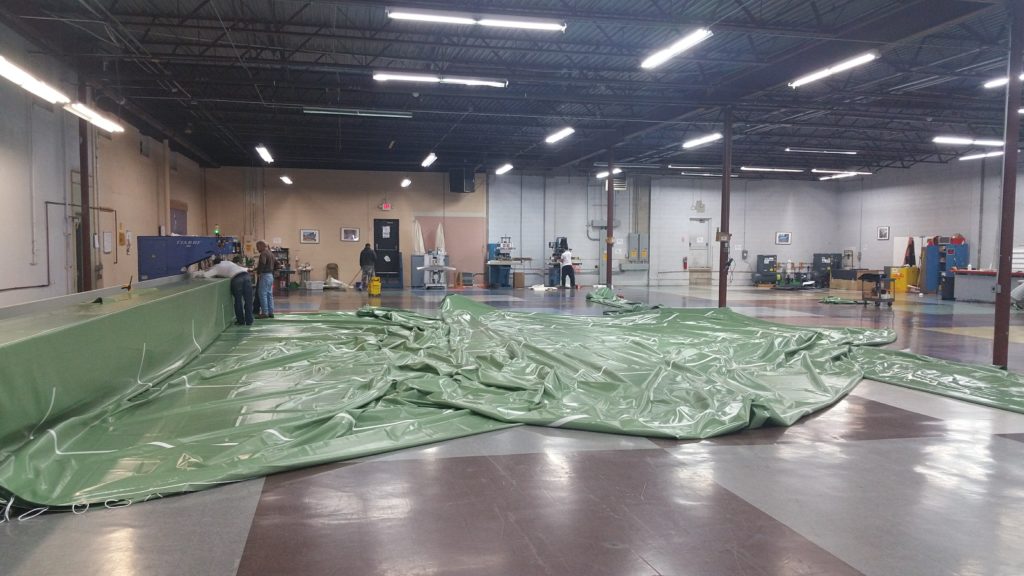
The system that was utilized uses a specially shaped keder track with a second extrusion in the shape of a hat channel. The hat channel is bolted down after the fabric panels are installed on both sides of the keder track, with bolts and nuts that grab the keder track flanges. It pushes the fabric panel down, and the resulting elongation of the fabric creates side-tension. The chosen fabric was a PVC-coated polyester membrane, woven and pre-stressed so that its warp and fill stretch stay closely balanced, and produced specifically for this project. That balance is what allowed the hat channel to tension the keder panels sideways. If the fabric had more stretch in the fill direction, the limited geometrical elongation in the keder-to-keder direction would not have generated enough prestress. That would force either cross-seams to utilize the fabric warp as the main load-carrying direction, or a different tensioning system altogether.